Environmental communications
giving our environment a voice
Clear communication is essential to many aspects of life, but it often ends up being an afterthought. At Green Feet Ecosystem Services, we believe that meaningful environmental work deserves to be shared and celebrated, and that everyone should be able to access and understand key information. We help organizations, communities, and project teams to share complex information in ways that are accessible, thoughtful, and visually engaging.
Environmental projects often involve many moving parts and complex terminology. Projects include (to name just a few!) intersections between science, policies, laws and guiding documents, community priorities, land-based knowledge, technical data, and cultural protocols. Our role is to help bring all those parts together into clear, engaging communications that support understanding, collaboration, and action.
Green Feet Ecosystem Services provides environmental communications support for projects related to conservation, restoration, biodiversity, ecosystem services, land stewardship, climate resilience, Indigenous-led initiatives, environmental education, and more.
We help turn technical information into easy-to-understand materials that can be used by partners, funders, communities, decision-makers, and/or the public.
what we do
Our communications work may include
educational materials
story maps & interpretive writing
reports & plain-language documents
environmental messaging & communications planning
infographics & visual summaries
funding & project narrative support
cross-cultural communications support

community engagement materials
Let’s tell the story of your environmental work
Whether you need help explaining a project, engaging with a community, preparing public-facing materials, submitting a grant, or another interesting project, Green Feet Ecosystem Services can help bring your environmental work to life through meaningful language and thoughtful visuals.
If you need clear, accessible, visually engaging environmental communications, we can help.
Contact us to discuss how we can support your project, organization, or community initiative.
Bridging Between Technical Work & Community
Strong environmental communication is more than simply sharing facts and figures. It is about helping people connect with nature and feel both the wonder and the urgency that we do regarding key environmental issues.
We focus on creating communications that are accurate and accessible. Whether explaining ecosystem services, summarizing fieldwork, supporting restoration outreach, developing infographics, working on grant writing, or helping partners tell the story of a project, we aim to make information clear without losing depth of meaning.
Our approach recognizes the value of both technical knowledge and lived experience. We know that environmental work is connected to communities, histories, relationships, responsibilities, cultural knowledge, and future generations.
Our Approach
When we start a new environmental communications project, we begin by listening carefully, understanding the intended audience, organizing the information, and then helping to shape messages that feel grounded, useful, and visually engaging.
We prioritize:
Local knowledge and lived experience,
Plain-language and accessibility,
Environmental integrity,
Storytelling,
Use of visuals, and
Our audience’s experience.

what’s important to us
-
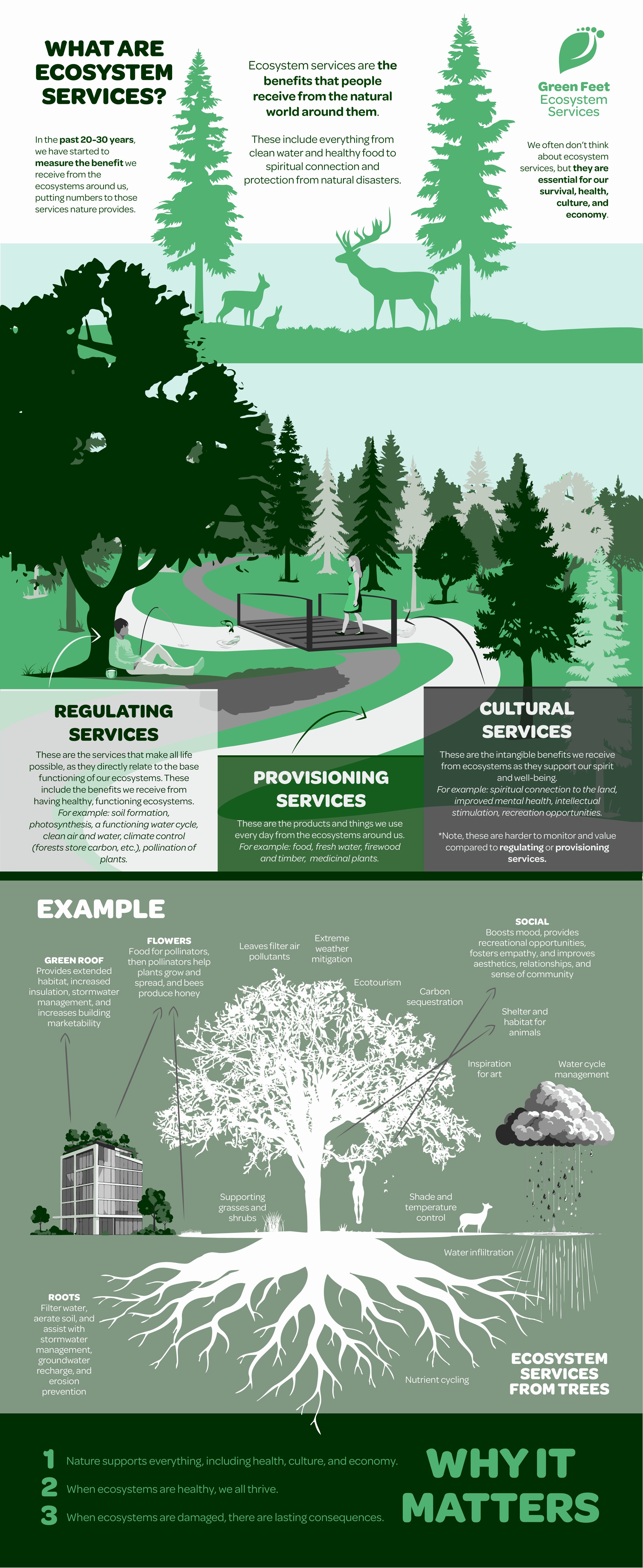
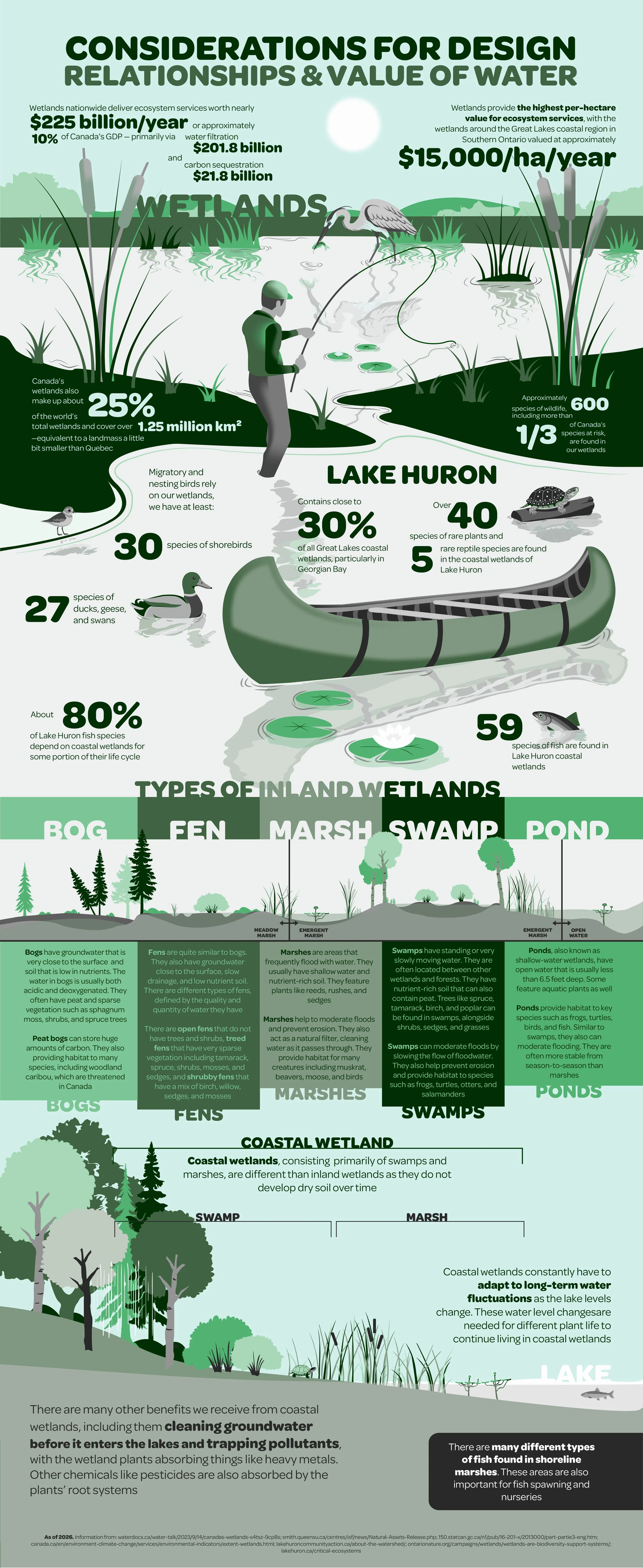
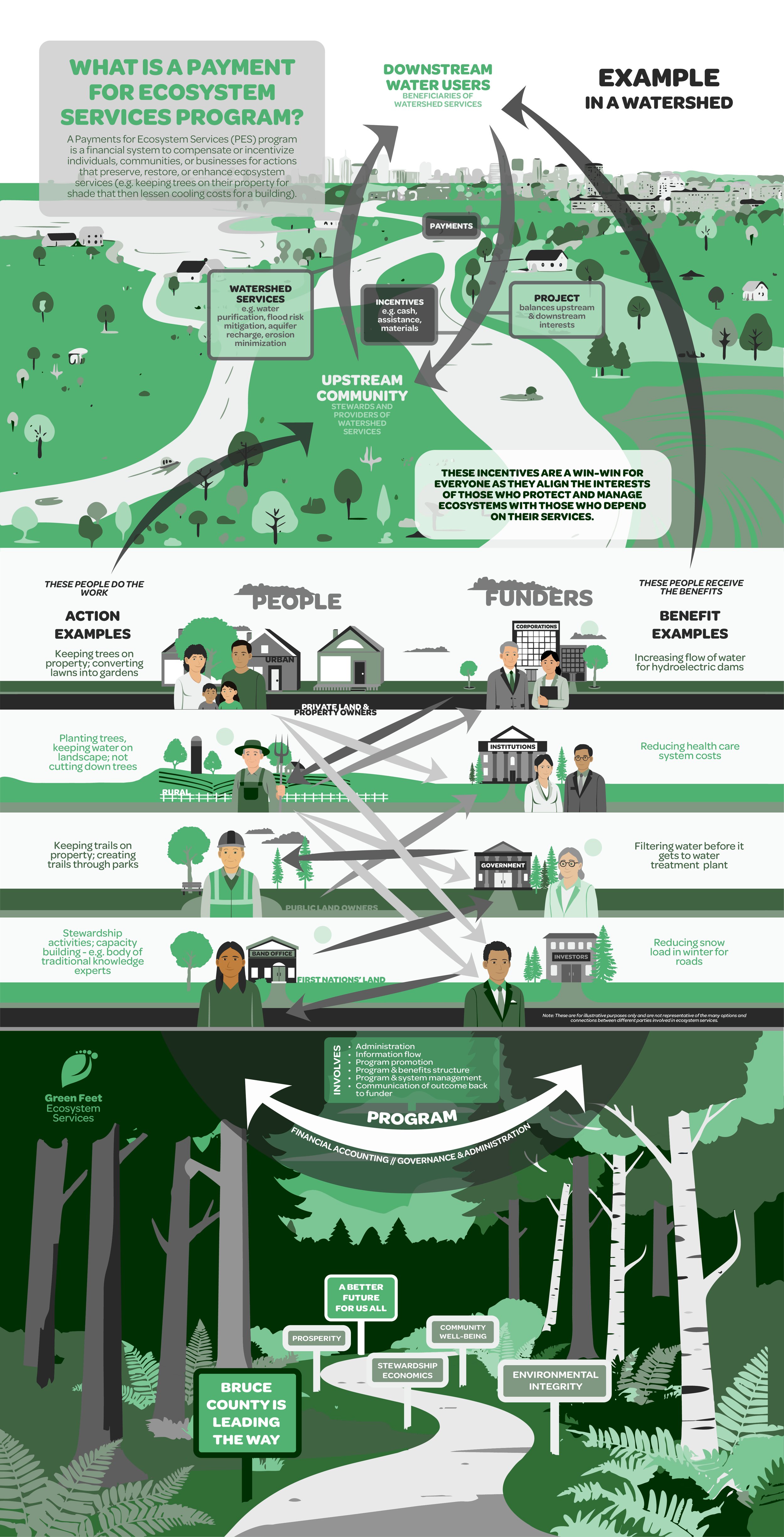
Infographics are an important tool for making environmental information easier to understand. Many environmental topics involve complex systems, terminology, acronyms, data, timelines, and processes. A well-designed infographic can help people see the bigger picture quickly while still respecting the details.
These materials support education, public outreach, reports to funders, presentations, community engagement, social media, and project updates.
Infographics can be especially helpful for explaining:
Ecosystem services and how they support communities,
Restoration processes and project timelines,
Fieldwork methods and monitoring results,
Species, habitats, watersheds, and ecological relationships,
Climate resilience and stewardship planning,
Community engagement processes,
Project goals, outcomes, and key messages, and
Connections between environmental, cultural, and economic values.
Good visual communication does more than make information look appealing. It improves accessibility, supports understanding of information through the lens of different learning styles, helps reduce information overload, and creates materials that people can discuss and share.
-
Environmental information can be highly technical, but it should not be difficult for people to understand.
We can help you translate complex and/or technical topics into plain language while preserving key information. We create materials that are easy to follow, visually organized, and appropriate for the intended audience. These materials break down complicated subjects to make them easy
This may include explaining topics such as:
Ecosystem services,
Native plants and habitat restoration,
Watersheds and wetlands,
Sustainable land use, and
Stewardship planning.
-
Environmental work often brings together people with vastly differing lived experiences, backgrounds, cultures, and ways of seeing the world. Clear communication in these settings requires more than just translation. It requires listening, respect, context, and relationship-building.
We help develop materials that are thoughtful, accessible, and focused on their intended audience. This includes helping project teams communicate between technical, academic, government, and land-based perspectives.
-
We have experience supporting communications for Indigenous-led, community-based environmental projects. To do this work you must have respect for the knowledge, priorities, rights, and protocols of the Nations involved.
We can support Indigenous-led and Indigenous-partnered projects by helping create communications materials for community members, project partners, and funders. This may include project summaries, engagement materials, reports, visual tools, story-based communications, plain-language documents, and presentations.
Our approach recognizes the importance of:
Respecting Indigenous knowledge, governance, and data sovereignty,
Following community direction and cultural protocols,
Avoiding one-sided storytelling or taking what shouldn't be taken,
Using clear, accessible language, and
Communicating in ways that build trust.
We understand that each Indigenous community, Nation, and project is distinct. Our role is not to speak for Nations, but to offer support with communications that are guided by the people, priorities, and relationships that the project is built upon.
-
Environmental projects often involve multiple partners, spanning different disciplines, priorities, and communities. We support collaborative projects by helping create shared messaging, project updates, engagement materials, visual summaries, and documents that reflect the values of the work. We also support internal communications and setting up communications processes within projects. This can be especially helpful for projects involving community-based research, environmental planning, restoration initiatives, or other cross-sector partnerships.

Examples of our work