Wild Foods
From forest to fork
Come discover the delicious ecosystem services growing all around us!
Nature provides us with some pretty incredible things, and food is one of the coolest (we think!). From wild mushrooms and berries to edible plants, nuts, and seeds, our forests, fields, and wetlands are full of foods that have nourished both people and wildlife for generations.
At Green Feet Ecosystem Services, we believe that getting to know the wild foods around us is crucially important. It is also a wonderful way to (re)connect with nature, learn more about our local ecosystems, and develop a greater appreciation for it all.
Through sustainable foraging, wild food preservation, and hands-on education, we help people discover, enjoy, and learn to protect the foods that nature provides for us.
Healthy
ecosystems
come first.
What
are
wild
foods?
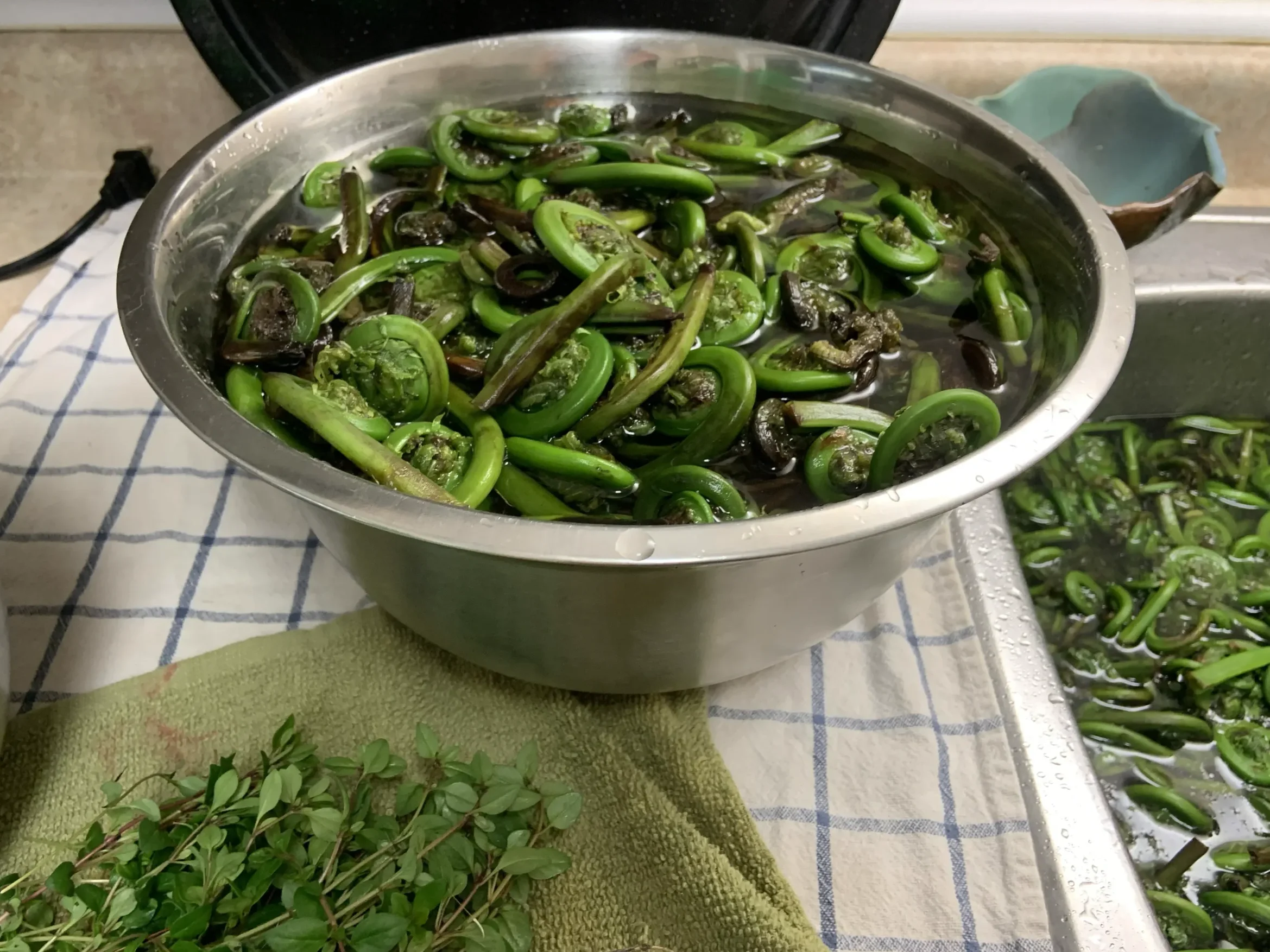
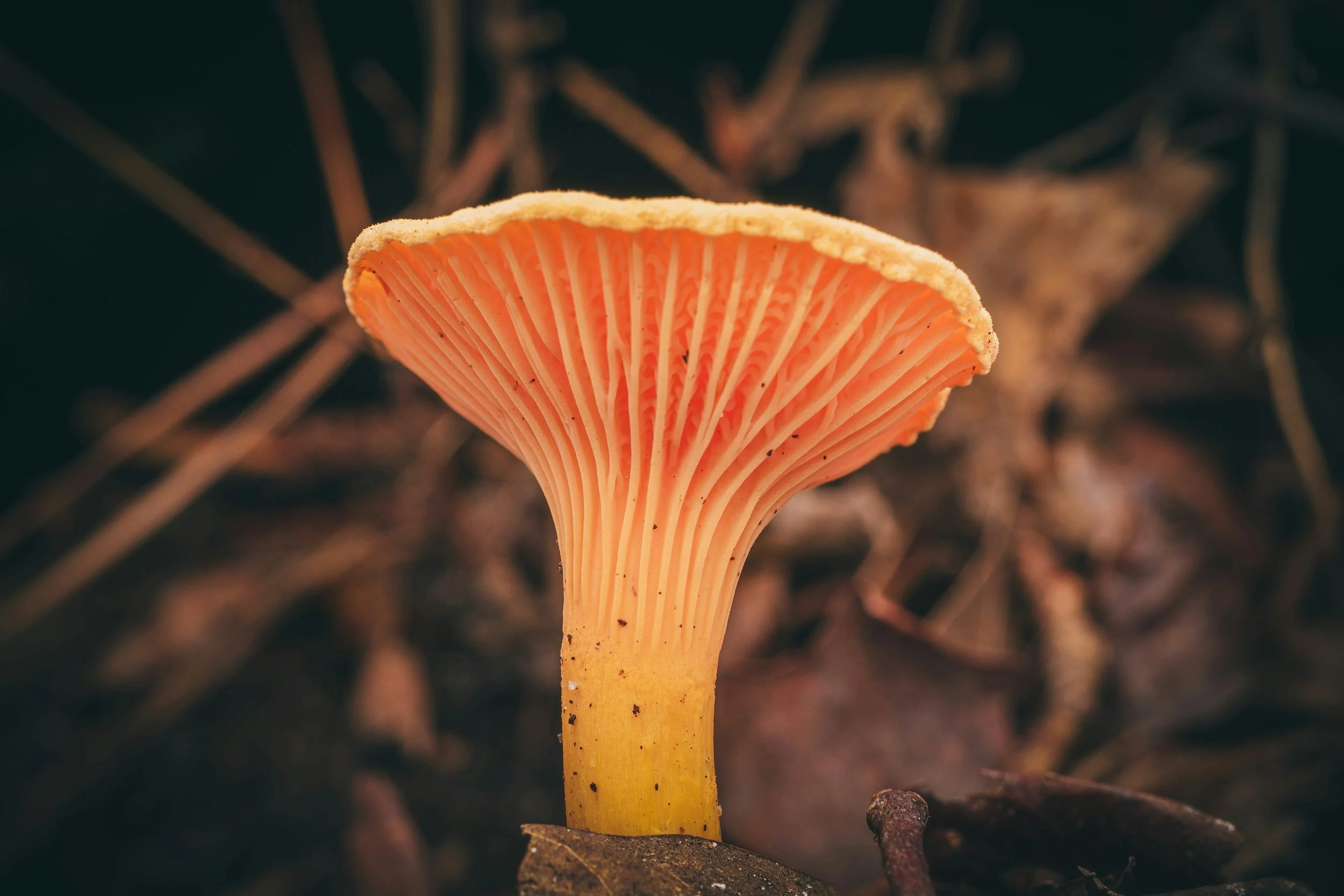
Wild foods are edible plants, fungi (mushrooms!), and other things that grow naturally in our environment without needing to be planted or cultivated by humans.
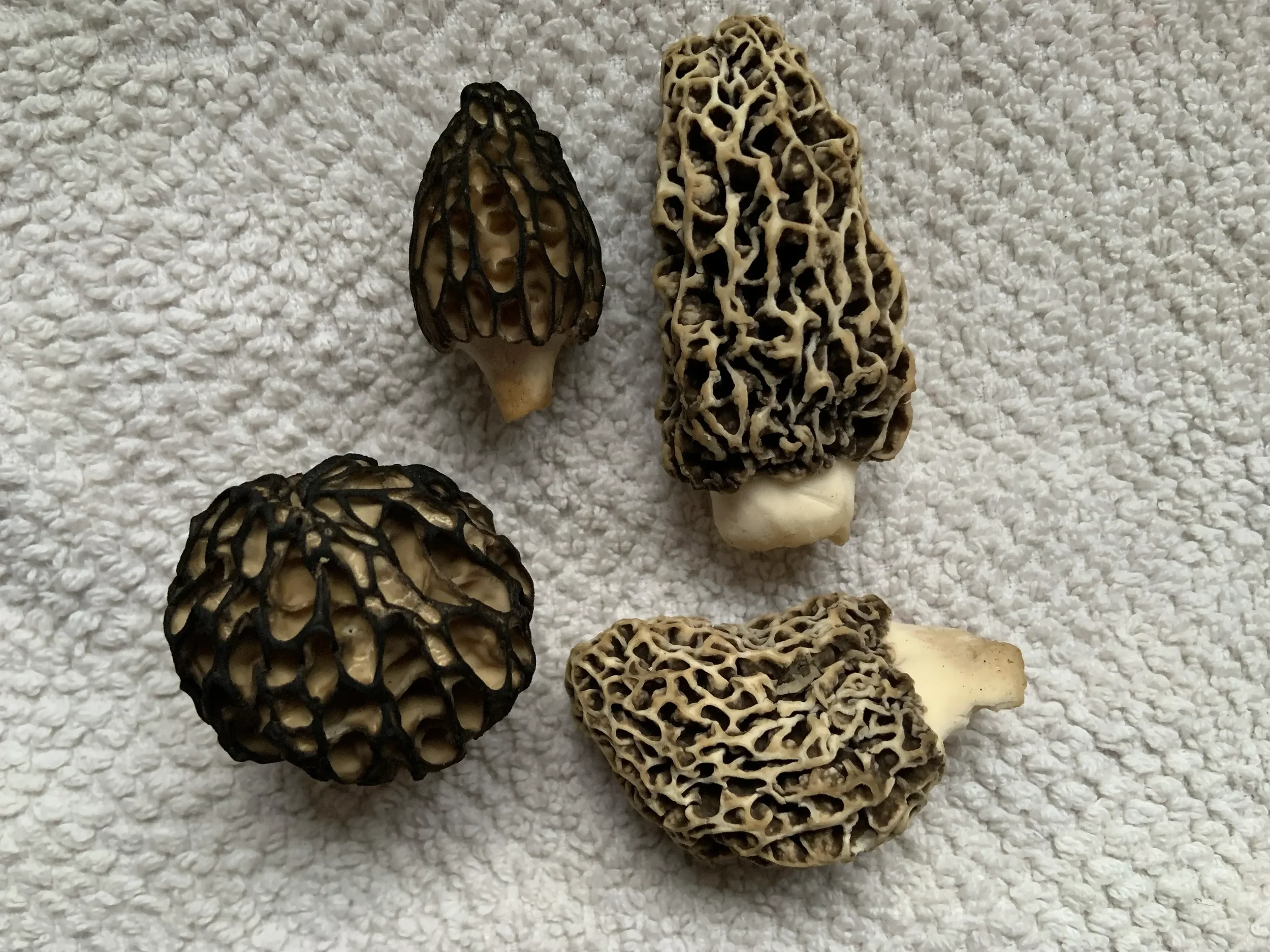
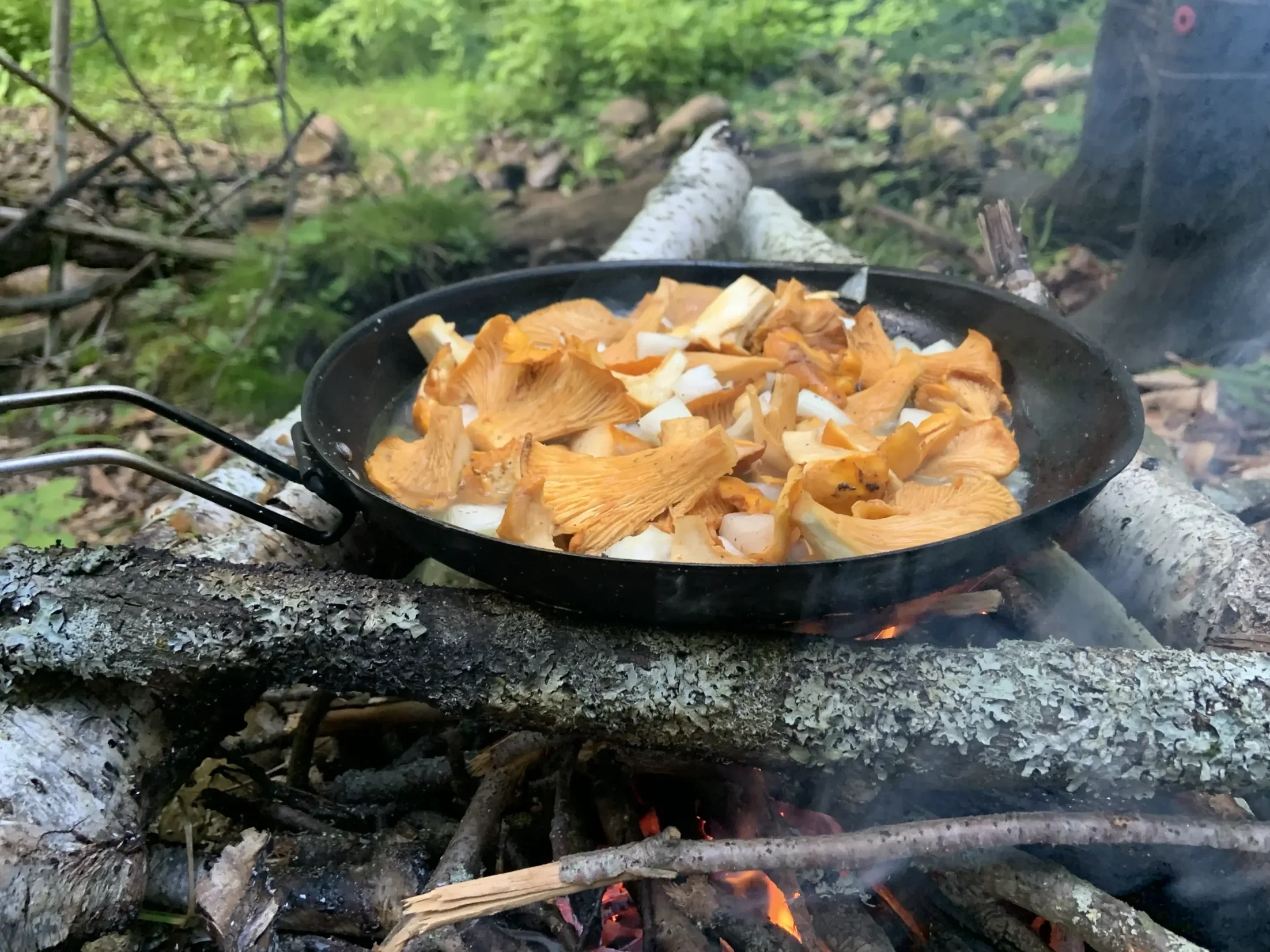
Think of morels, berries, rice, nuts, and more!
These foods are examples of provisioning ecosystem services — the food, water, and all the natural resources that ecosystems provide for both people and wildlife.
But, wild foods offer more than something to eat. They're also opportunities to explore your area, learn about how the seasons change, and continue to grow your relationship with the land.
By learning to recognize and appreciate these natural resources, we can also become better stewards of the ecosystems that produce them.
What
we do
-
Getting to know and see what's growing in our own backyard!
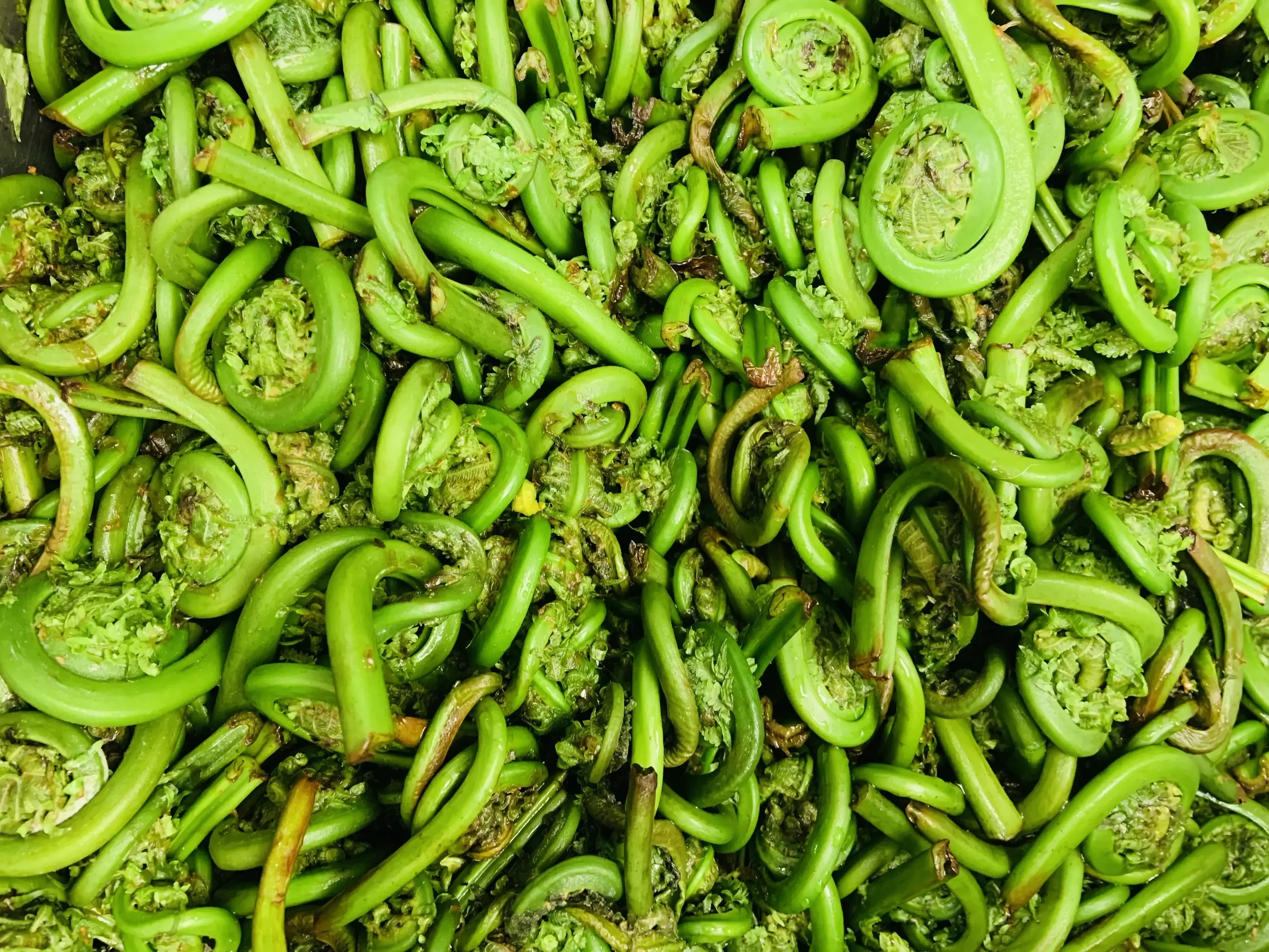
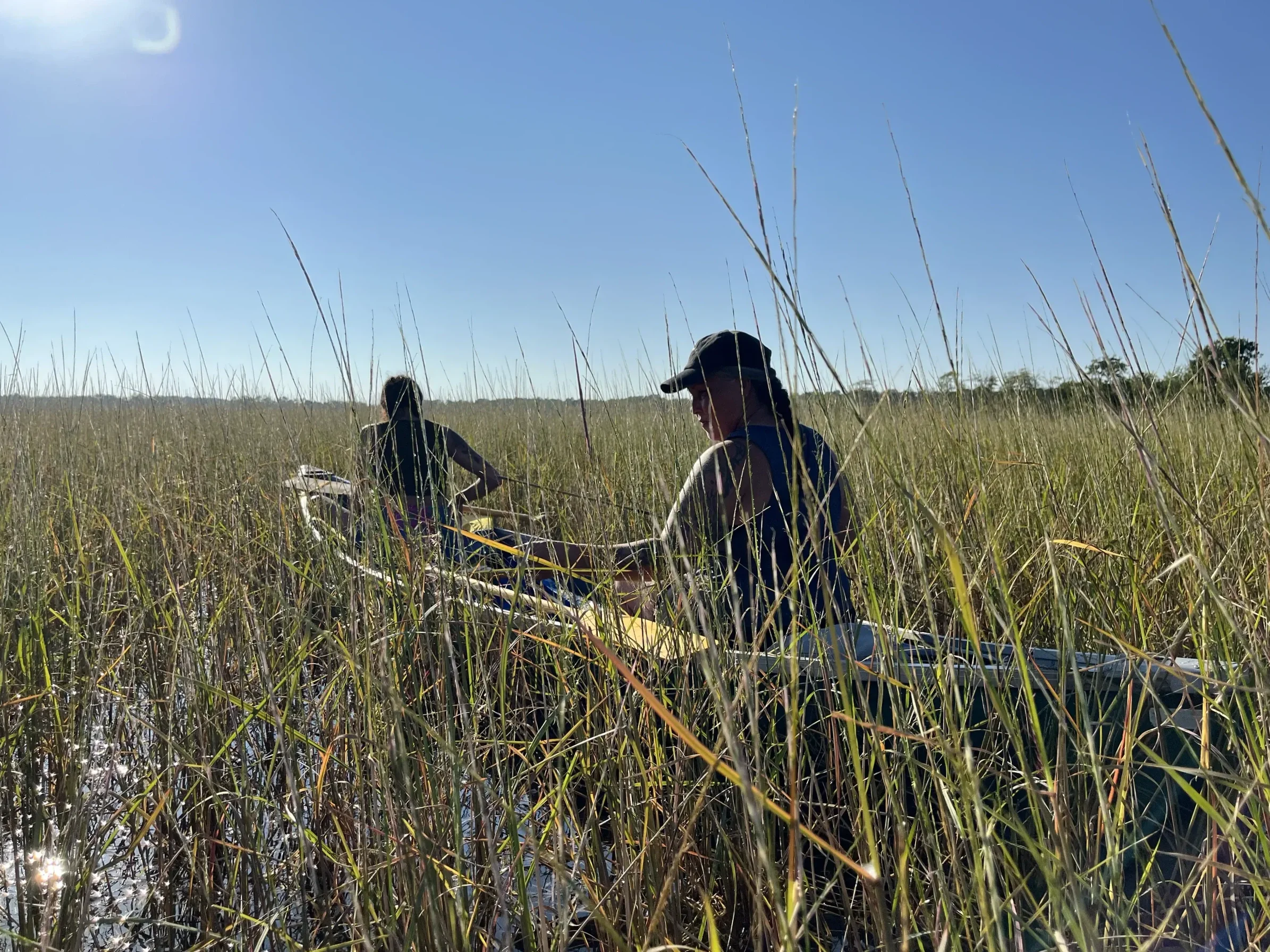
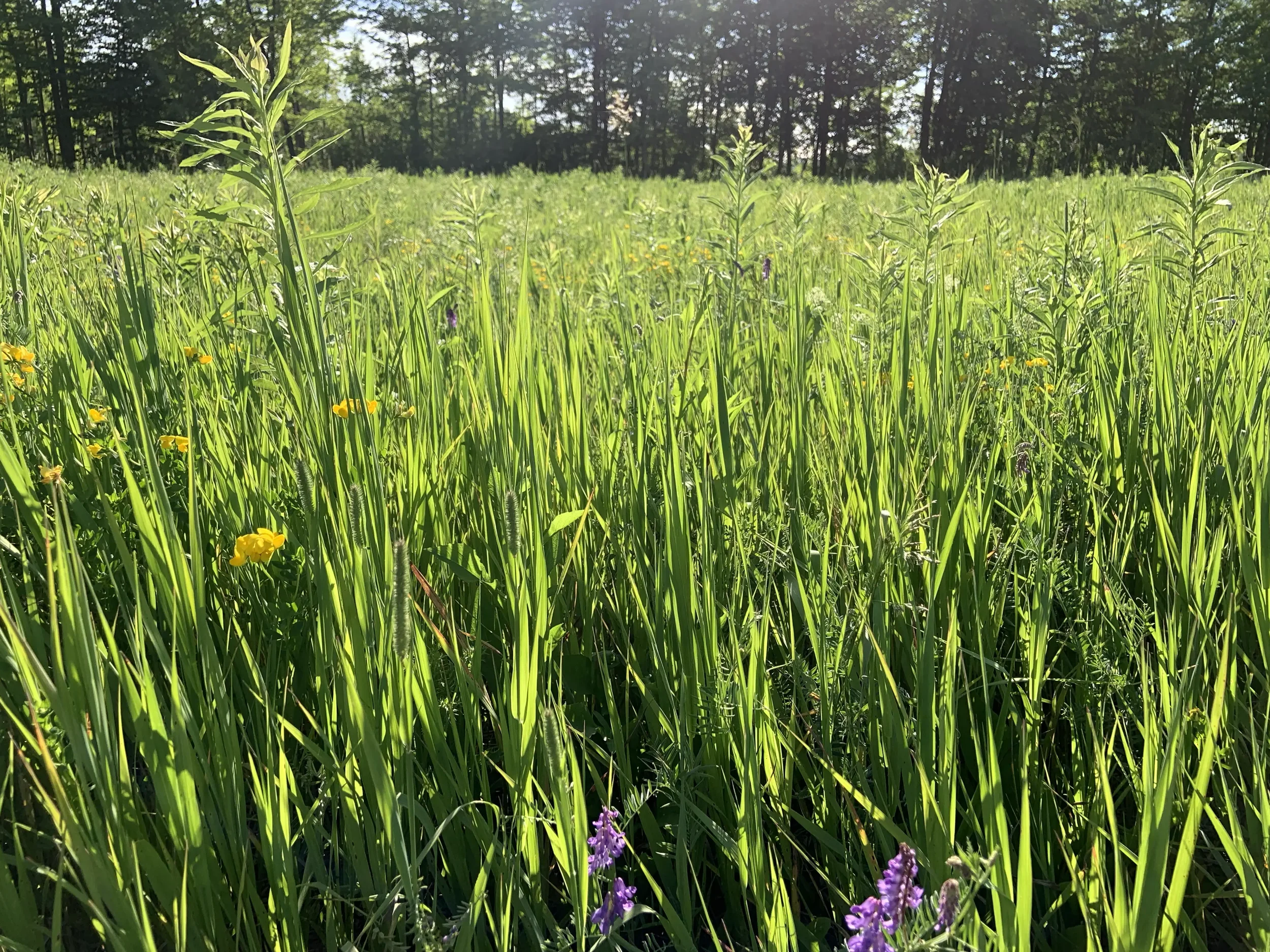
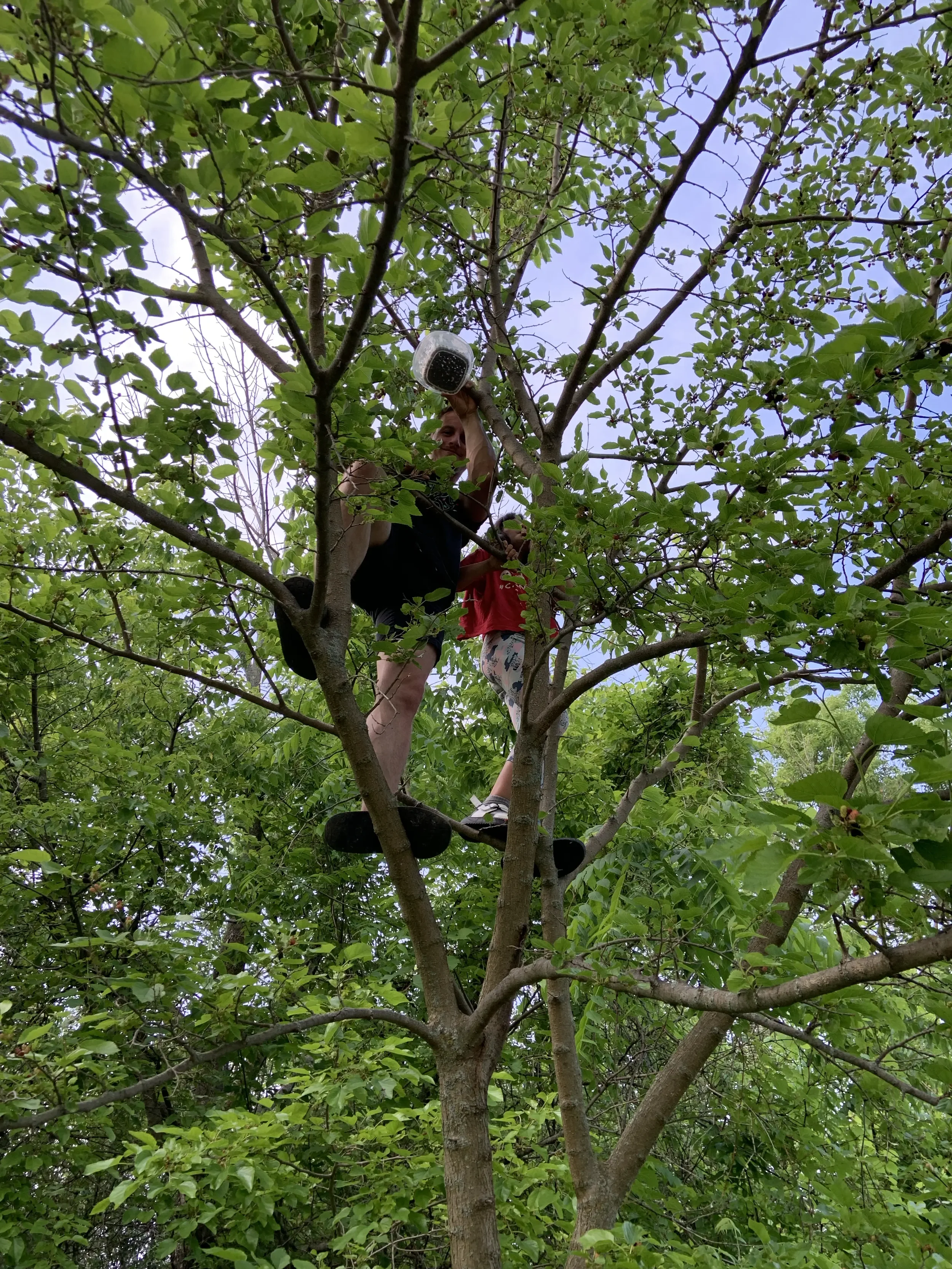
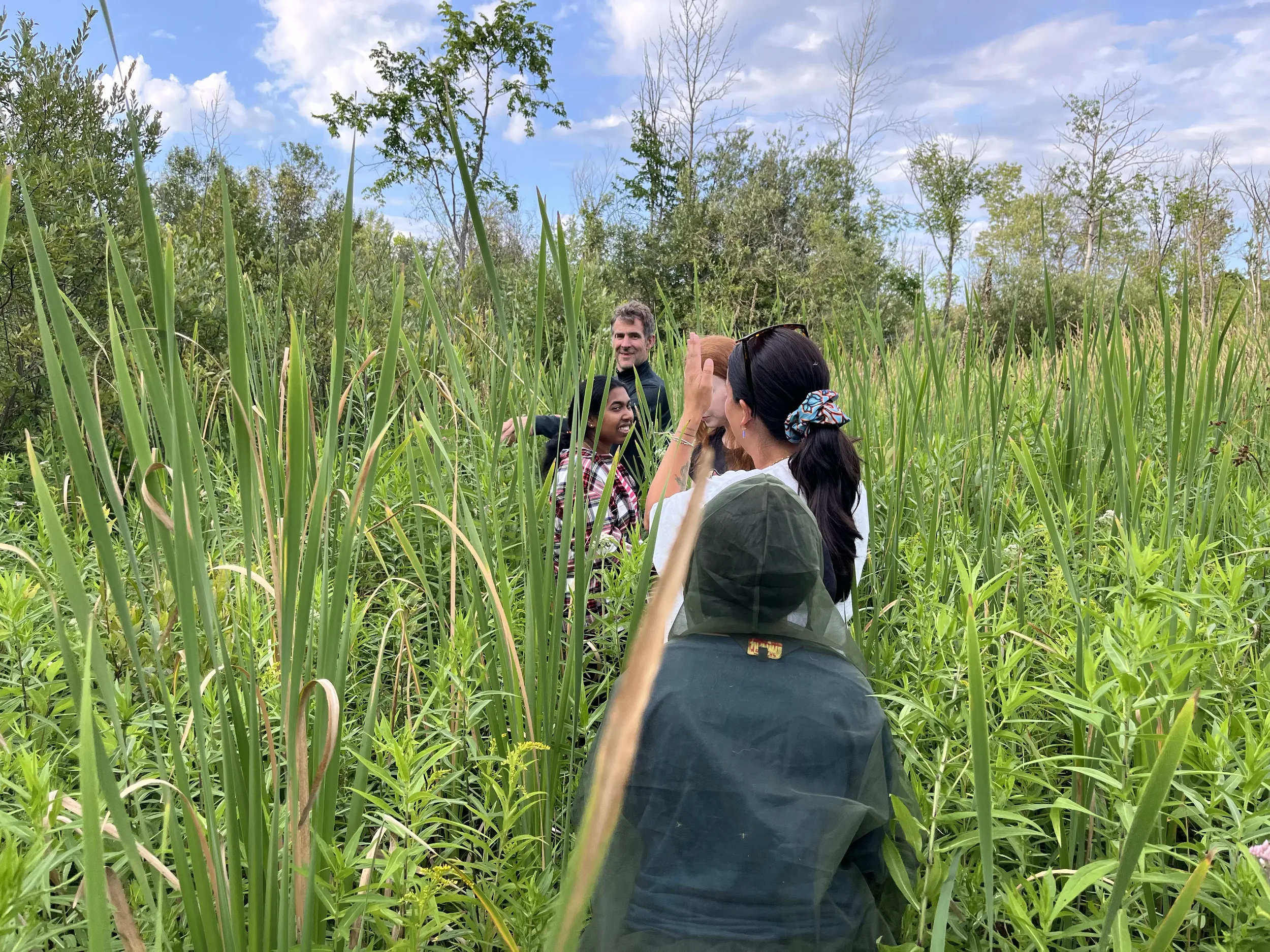
Throughout the spring, summer, and fall, we explore the incredible diversity of edible species that grow across our local landscapes.
Our foraging activities focus on identifying wild foods, understanding their ecological roles, and learning how and when they can be harvested responsibly. We have a huge focus on sustainable foraging and believe that people should not pick wild foods without knowing how to do it appropriately.
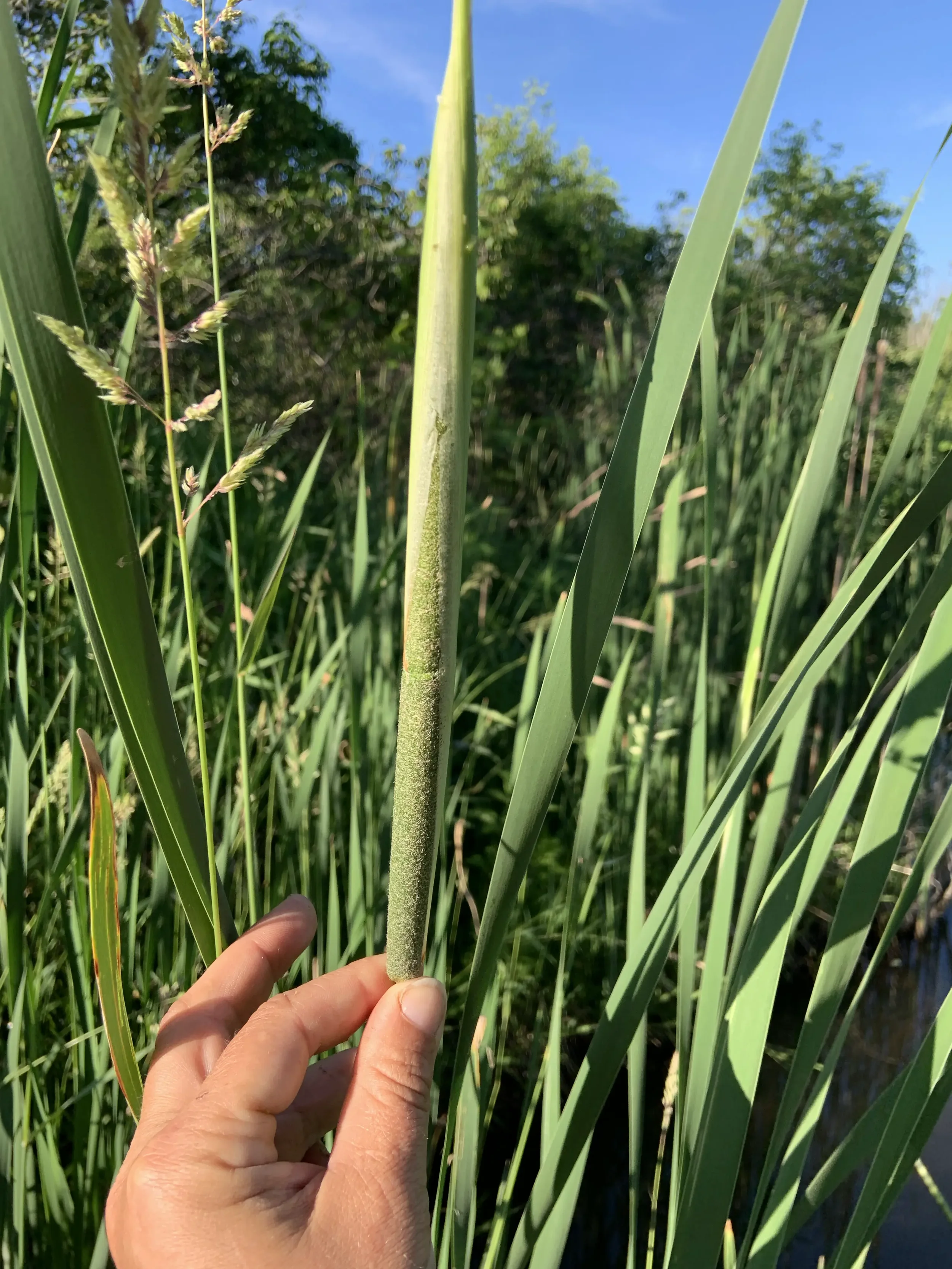
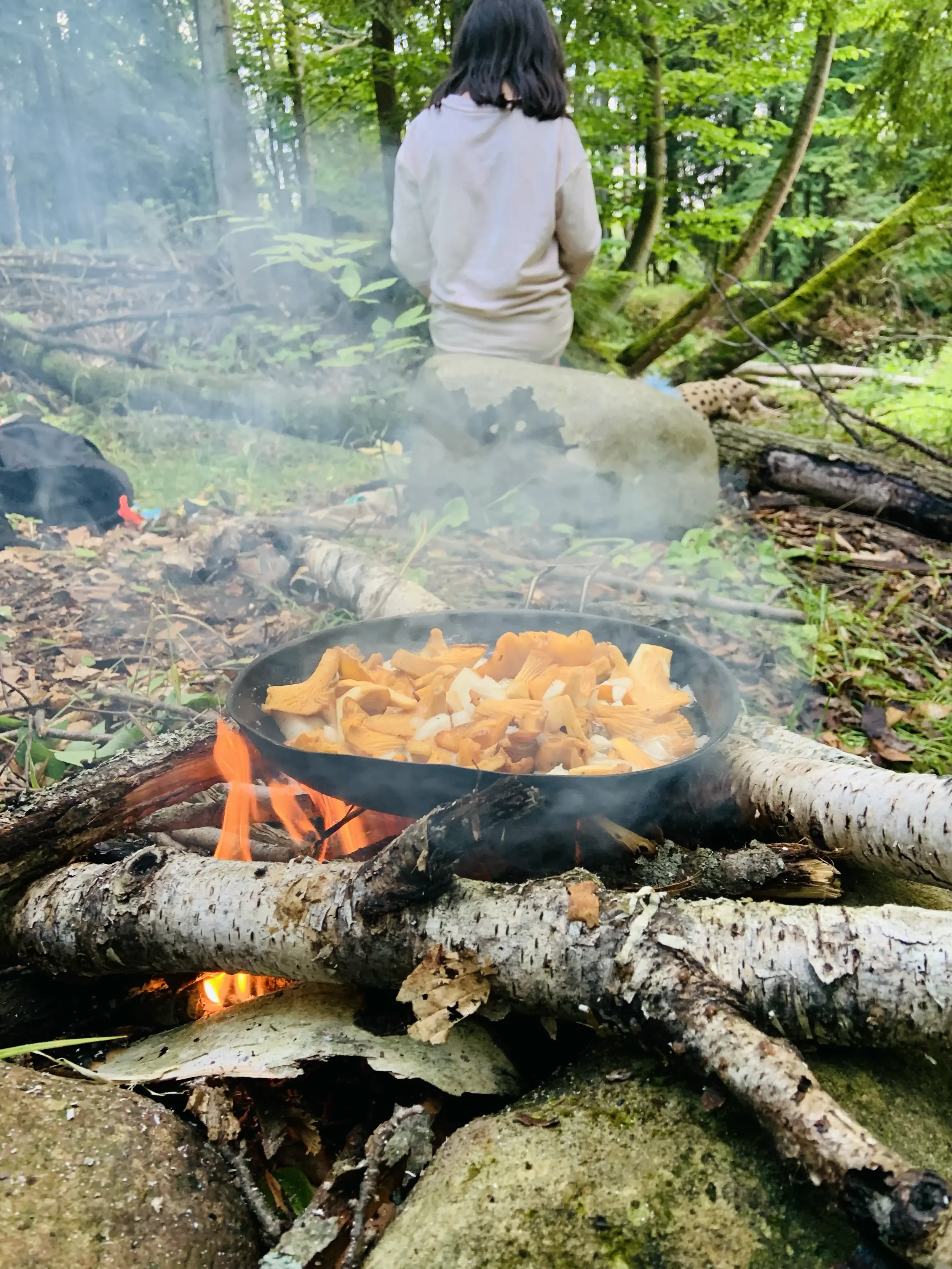
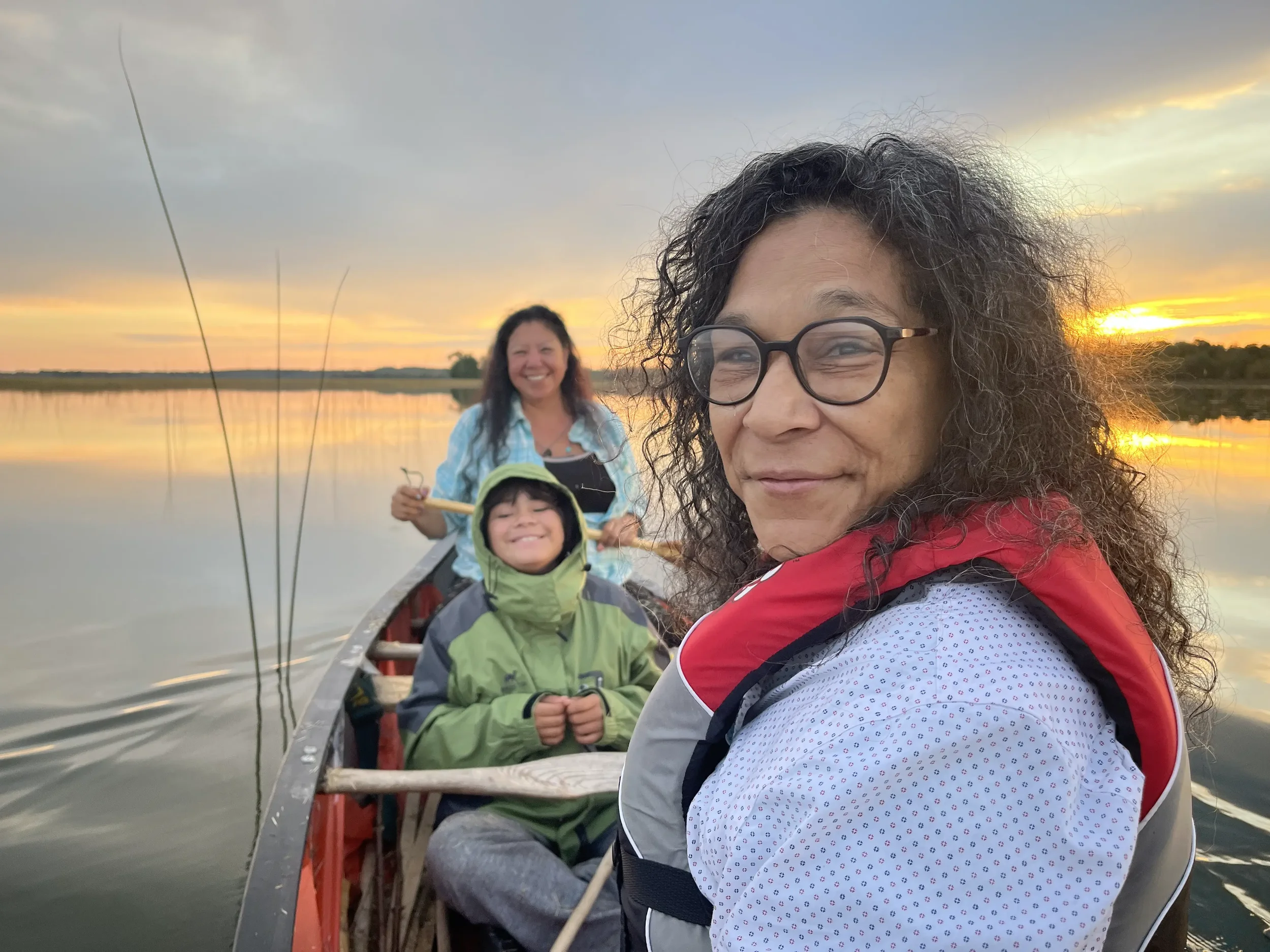
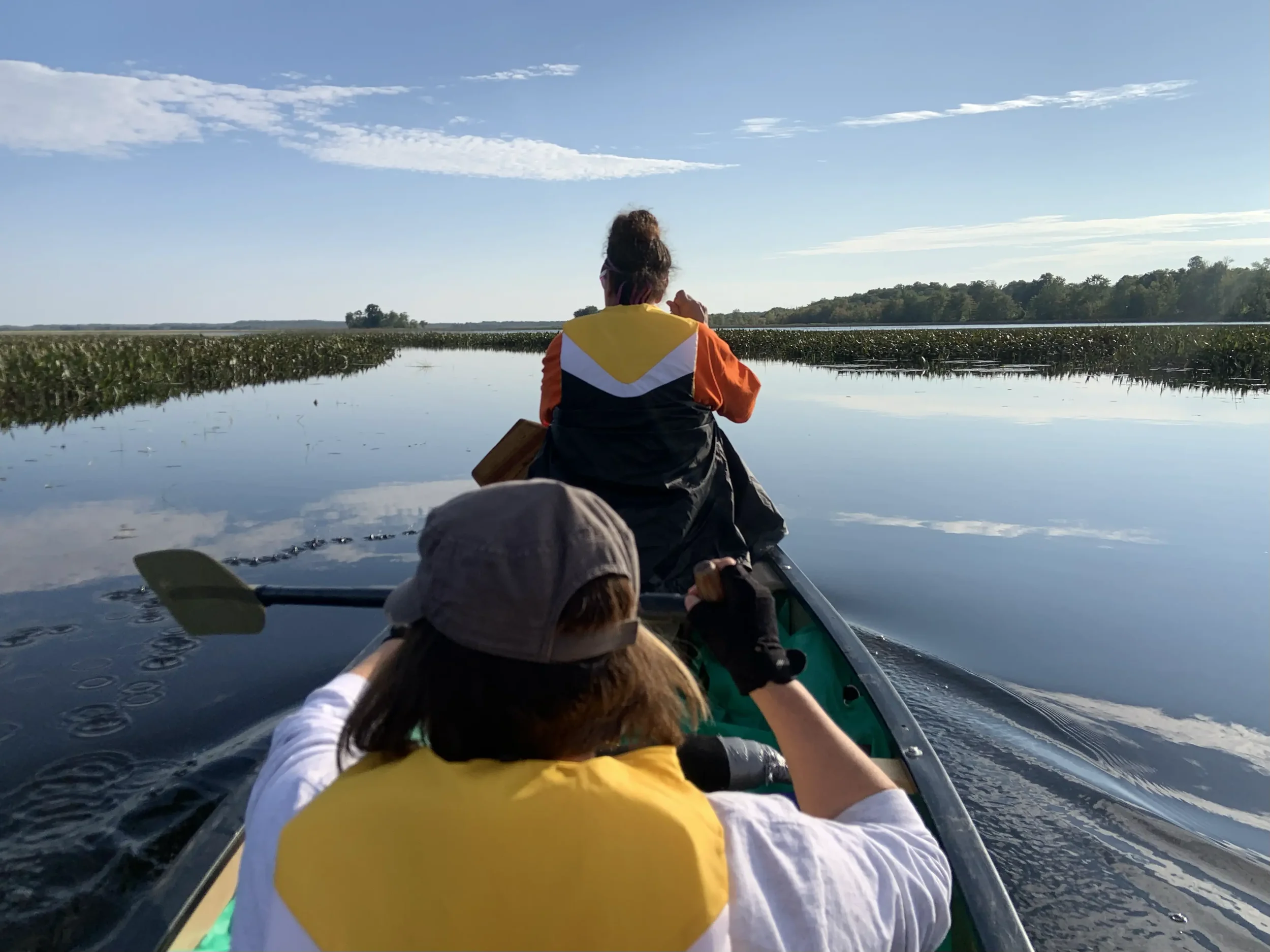
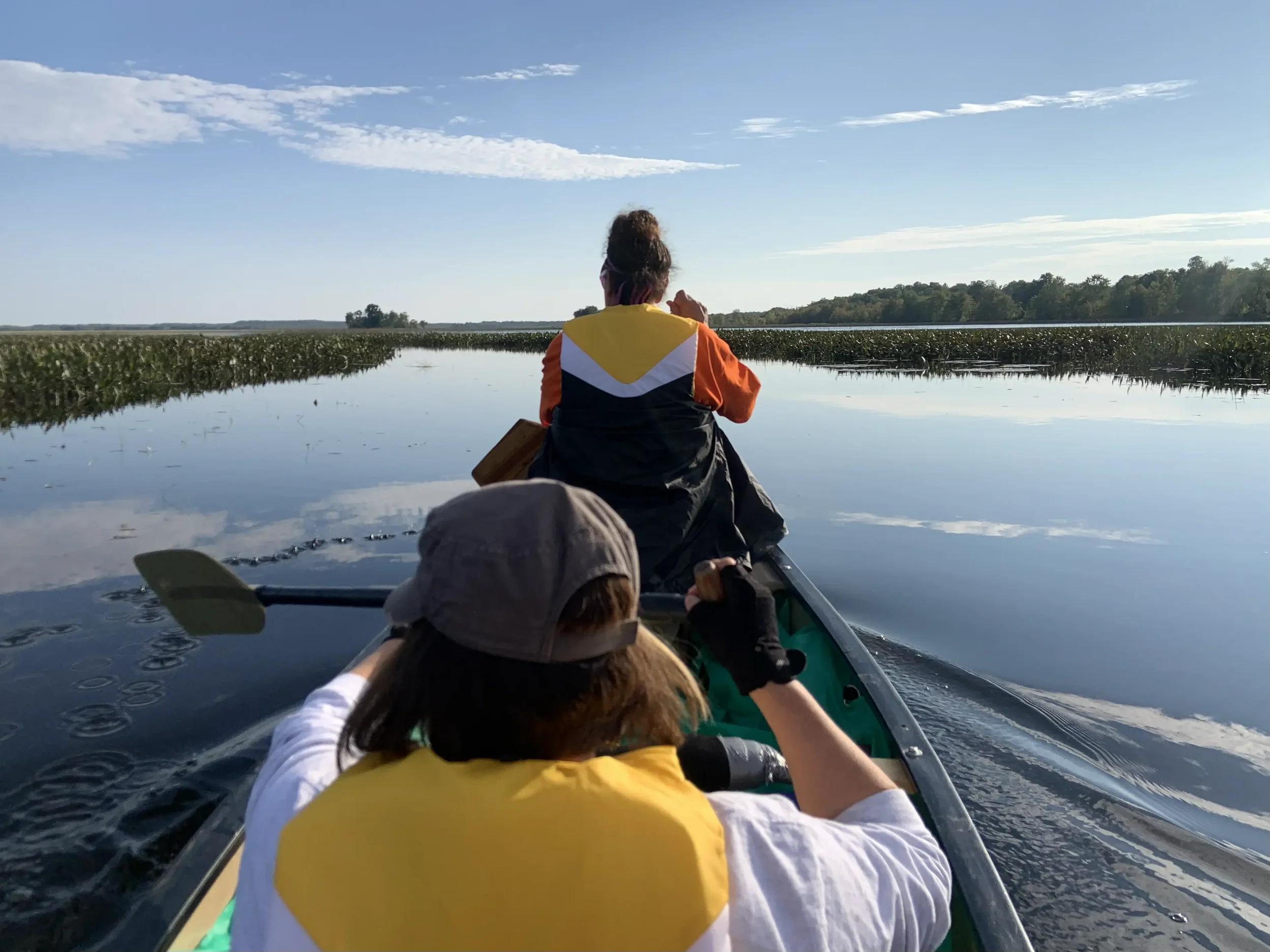
Whether we're searching the forest floor for mushrooms, exploring the water for wild rice, or discovering seasonal berries, there's always something new to learn and see!
-
Enjoying the harvest this season and beyond.
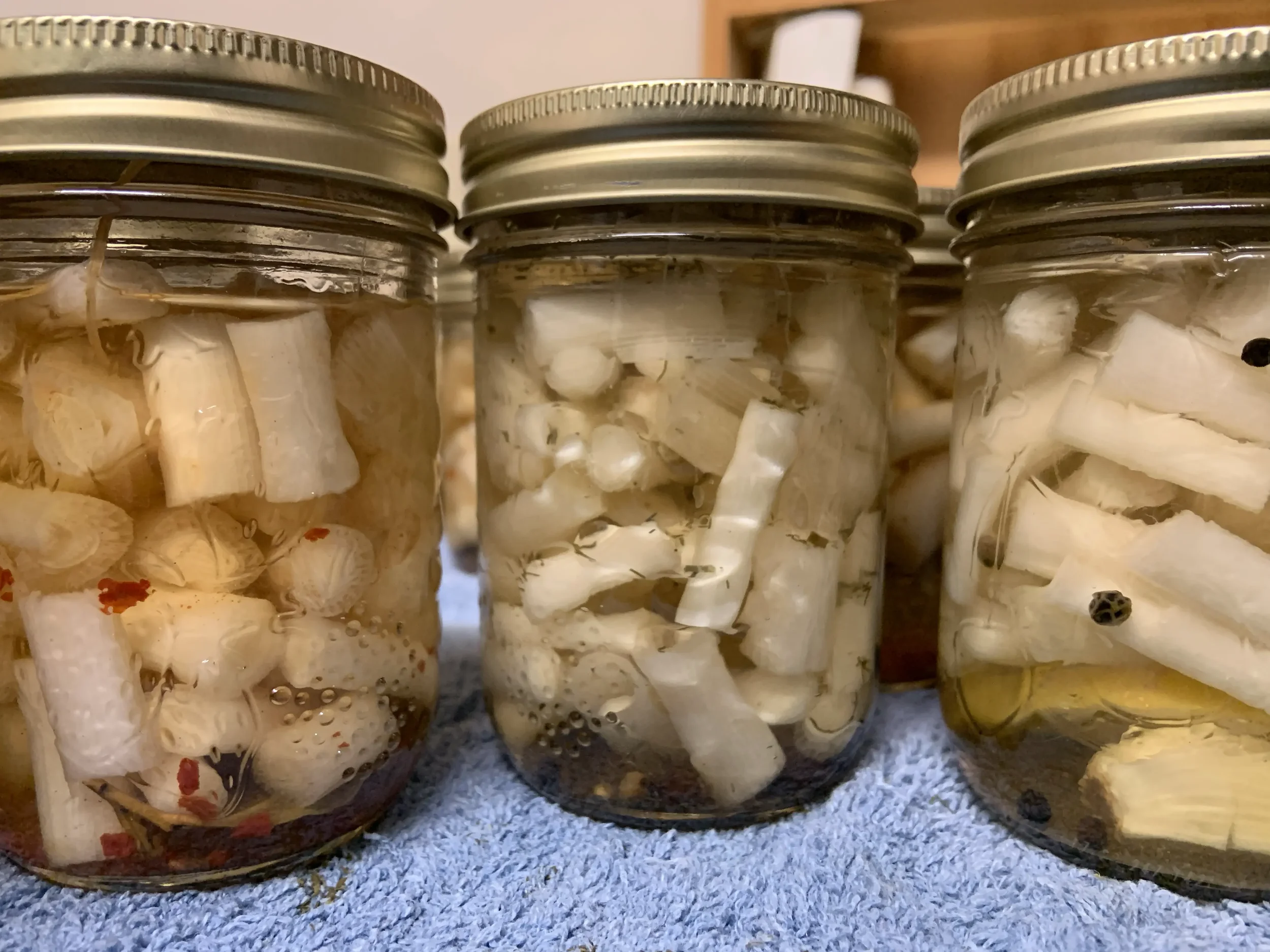
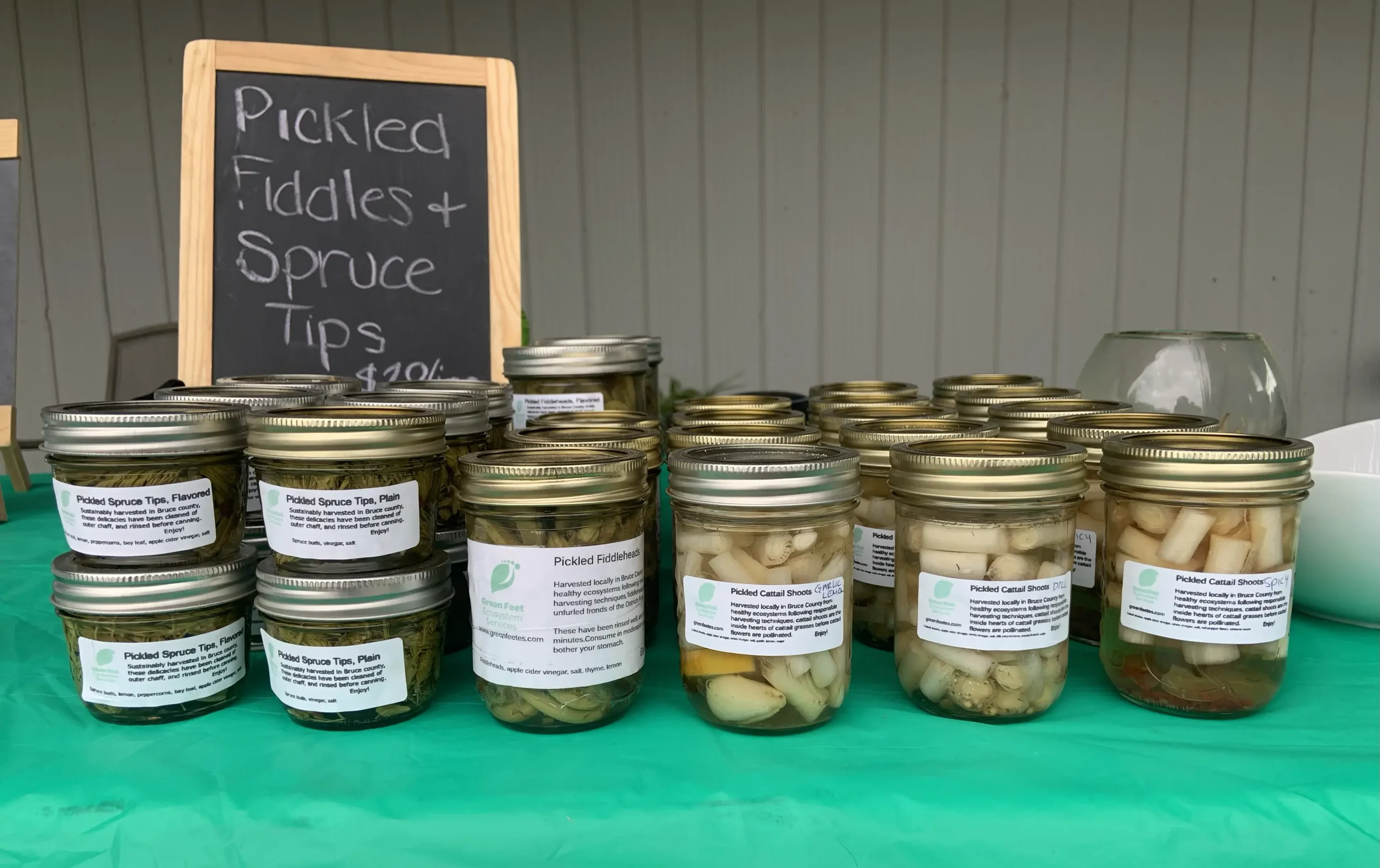
Many wild foods are only available for a very limited time each year. Through careful harvesting and preservation, we can enjoy these seasonal treasures long after their growing season has passed.
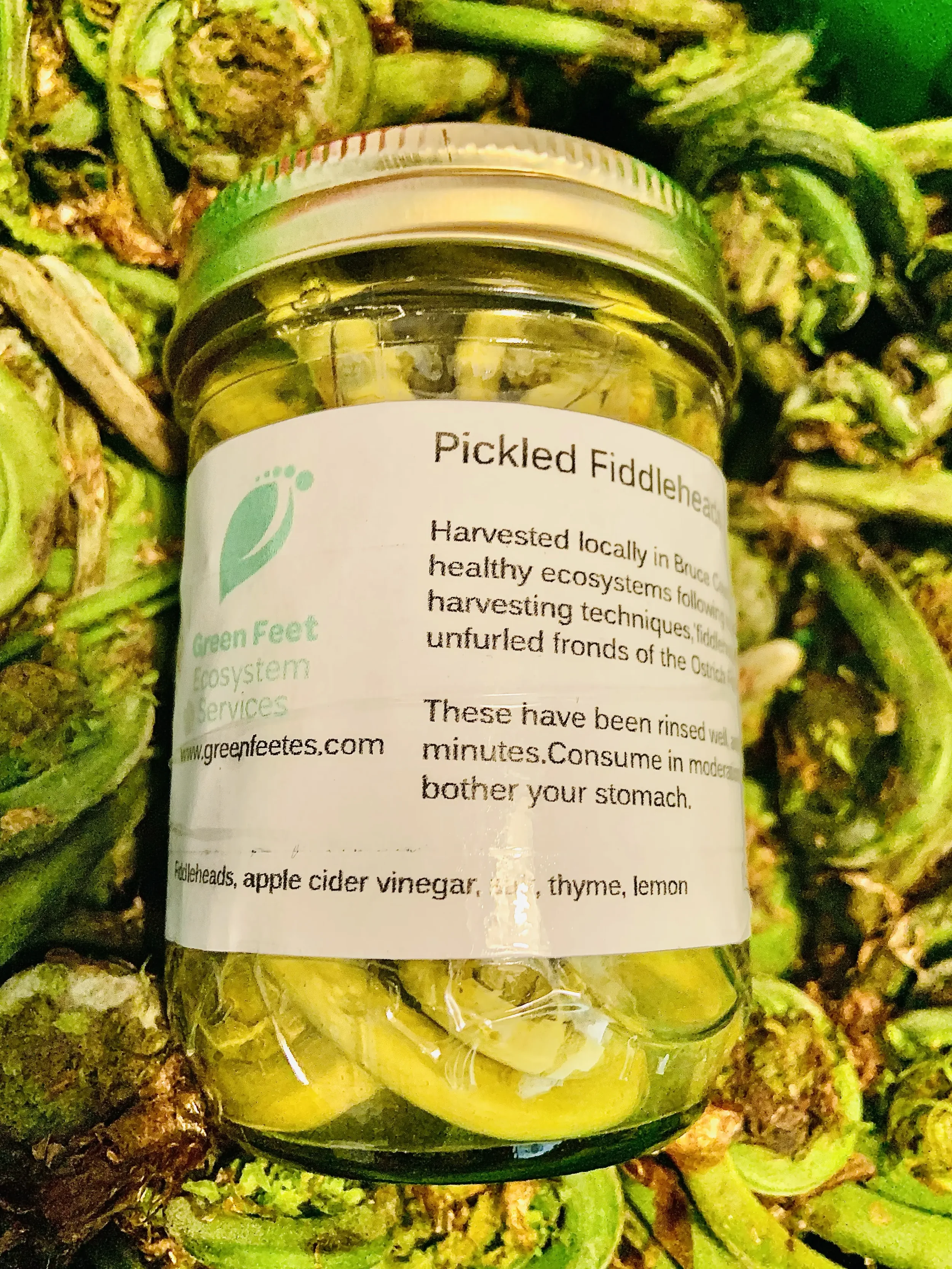
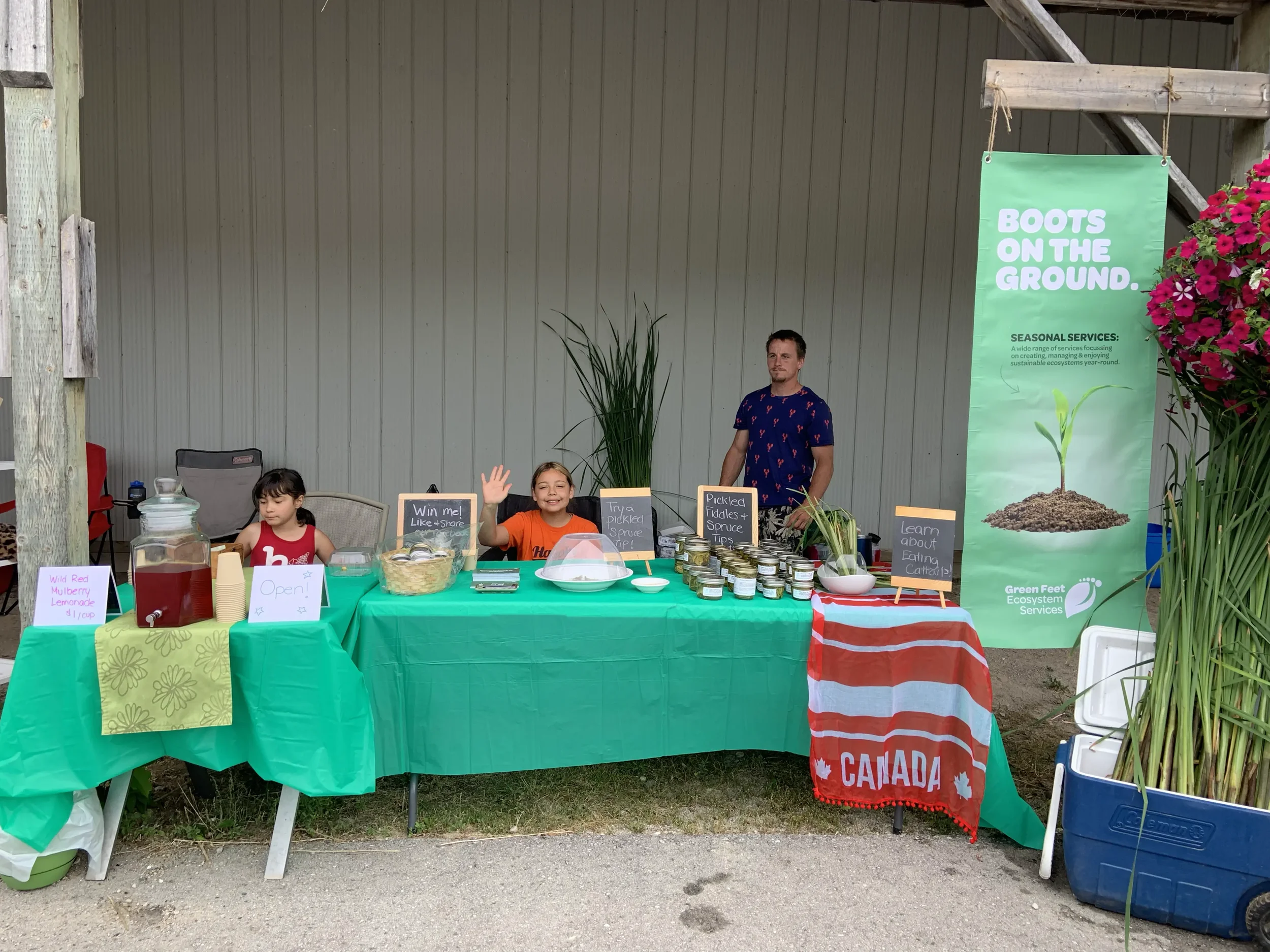
Green Feet forages and preserves wild foods for local makers and markets, helping connect people with locally sourced ingredients.
Our work also helps demonstrate the value of healthy, productive landscapes and the benefits of protecting the natural places that provide us with food.
-
Come get your hands dirty (and maybe a little hungry)!
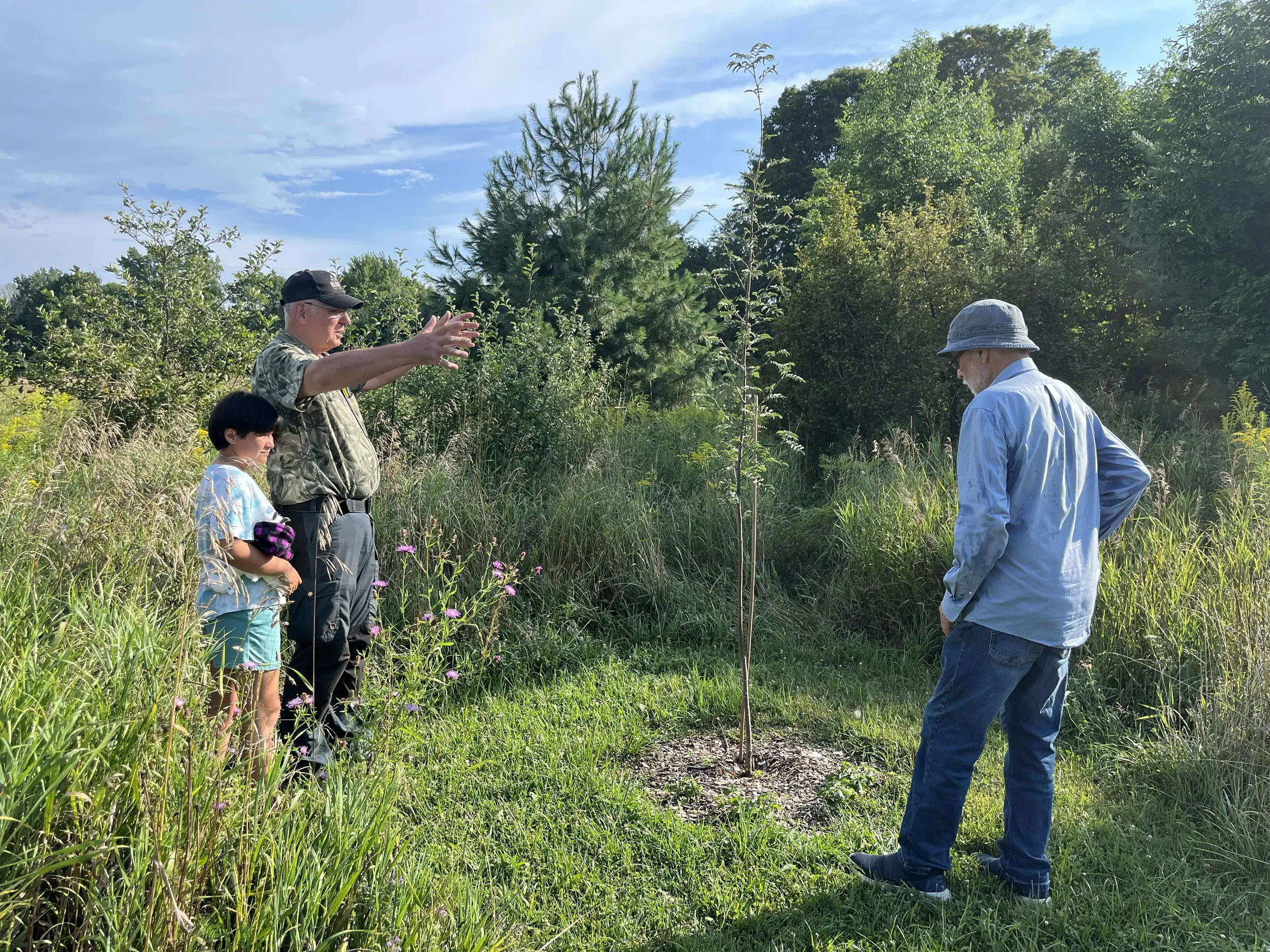
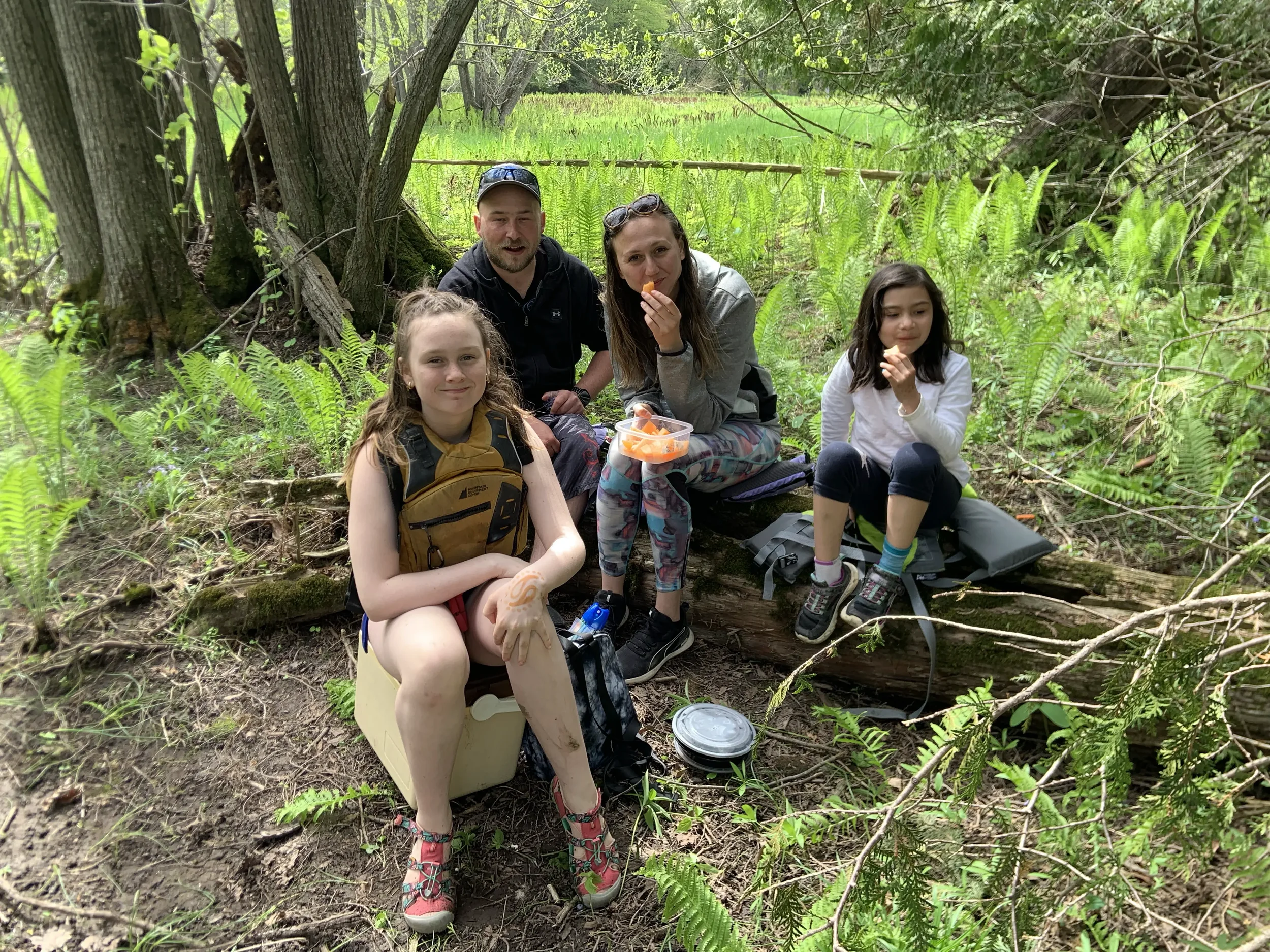
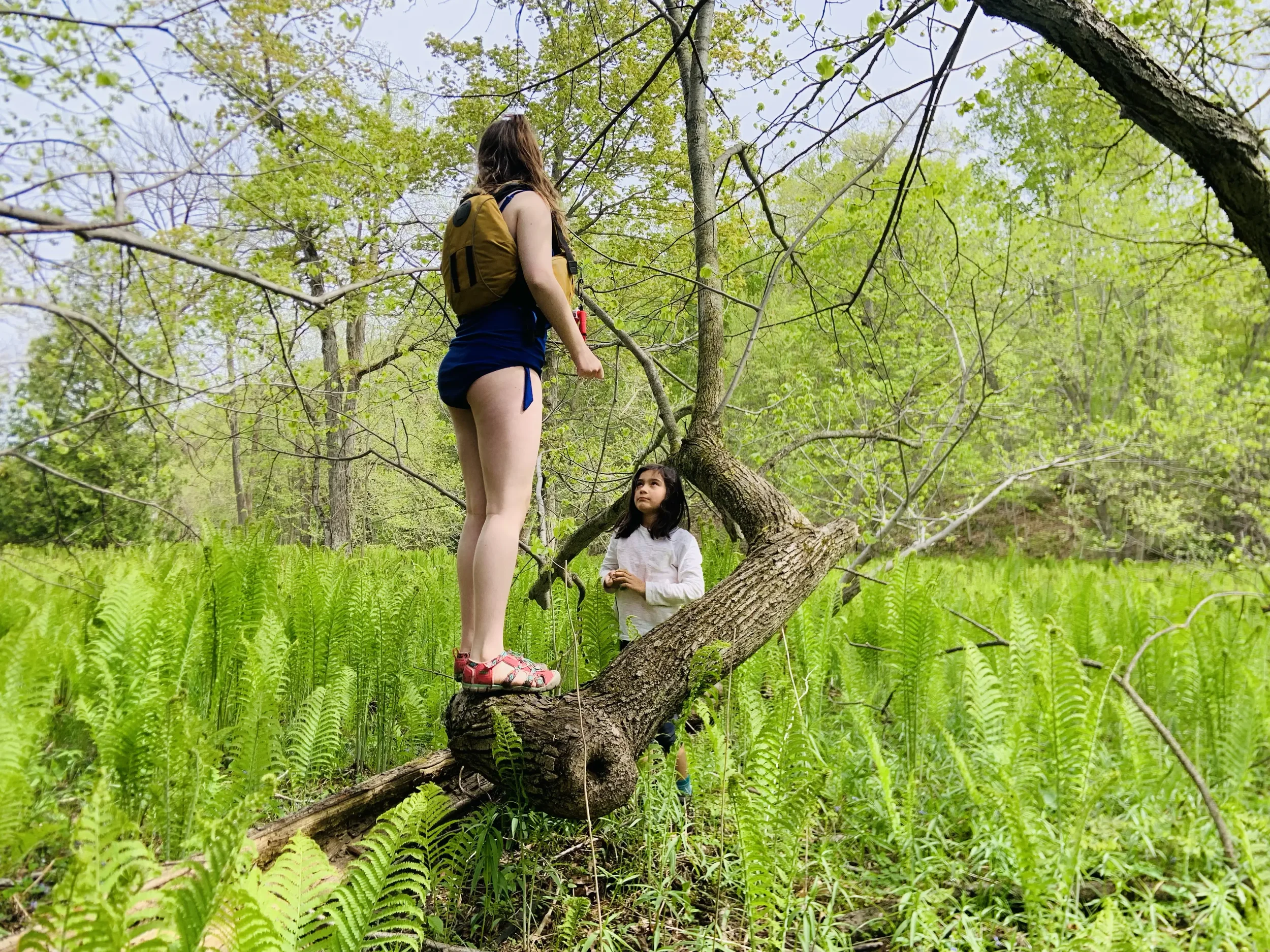
One of our favourite ways to share knowledge is by getting outside and learning together.
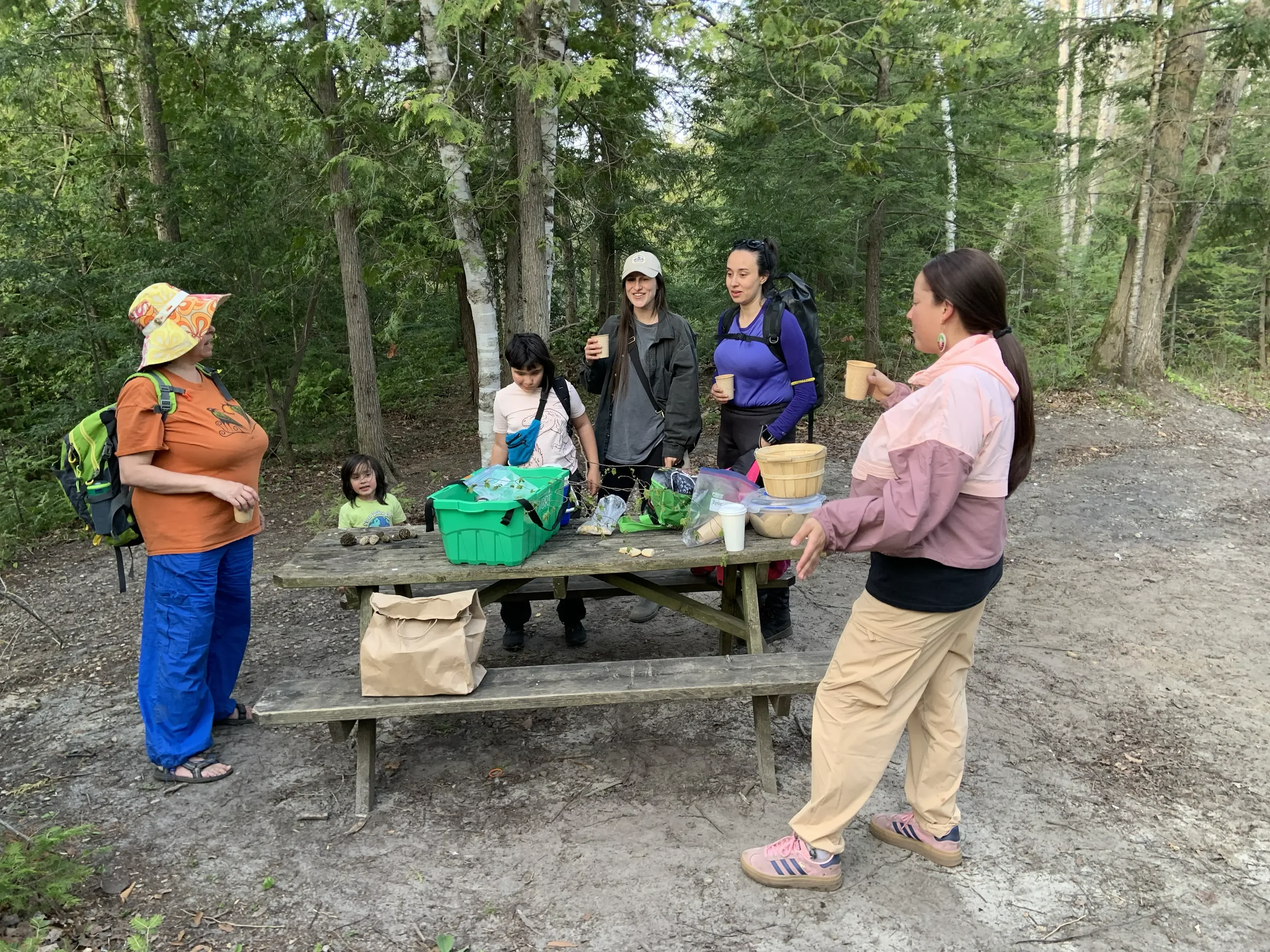
Our Forest to Fork workshops bring people together to explore wild foods through hands-on experiences, ecological science, and sustainable harvesting practices.
Depending on the season, activities may include:
Identifying local edible plants and mushrooms,
Exploring where wild foods grow,
Learning about sustainable harvesting practices,
Understanding the ecological importance of wild food,
Exploring food preparation and preservation, and
Learning different knowledge systems and about cultural relationships with food.
Through collaborations with community partners, including Medsin Cup, our workshops also create opportunities to learn about traditional food practices and support conversations around Indigenous food sovereignty.
Whether you're completely new to foraging or already know your way around a mushroom patch, there's always more to discover!
Something
for every
season
A seasonal taste of nature
Our wild food activities follow the natural rhythms of our ecosystems. Different species become available throughout the year, giving us new opportunities to explore and learn.
SPRING — FRESH BEGINNINGS
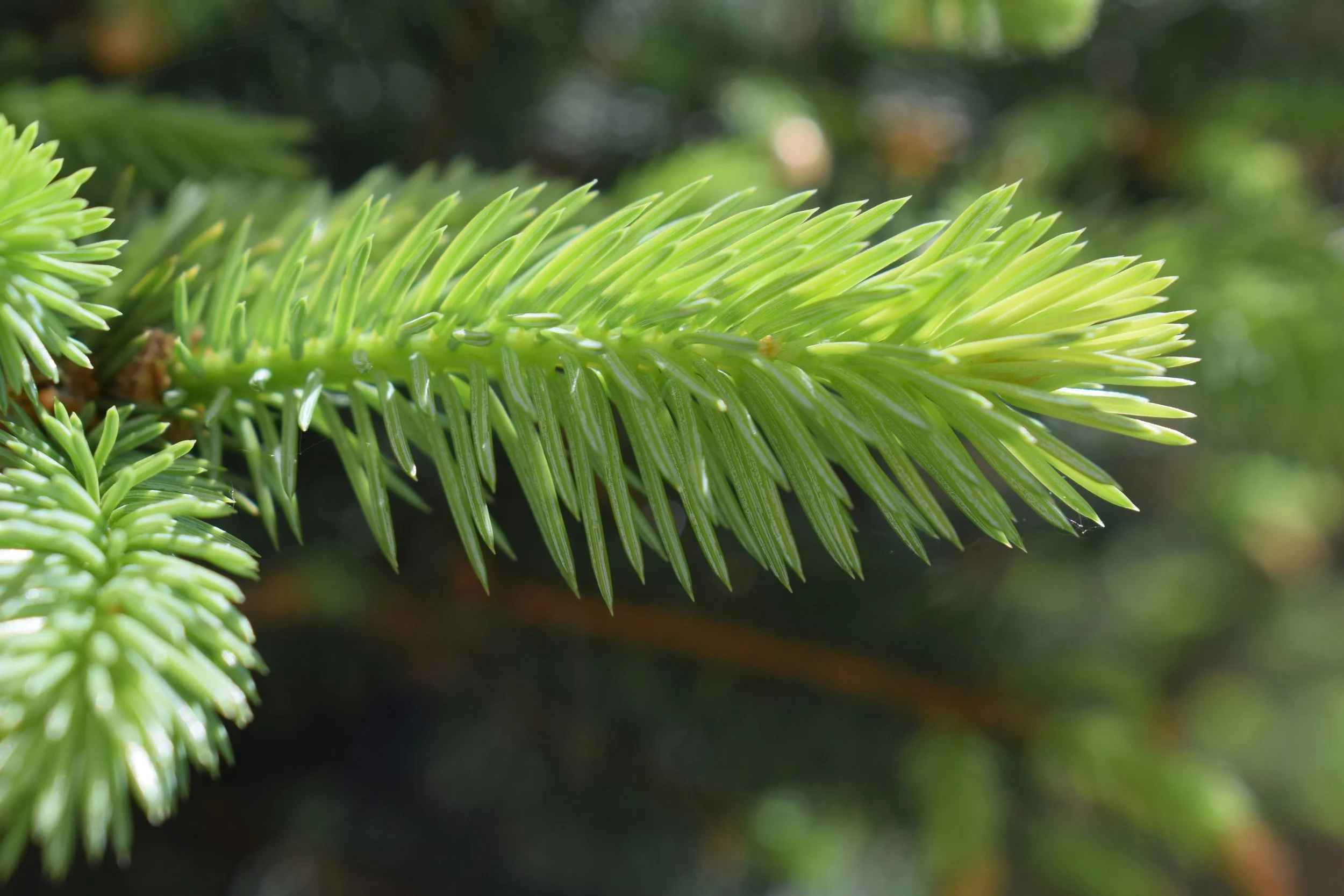
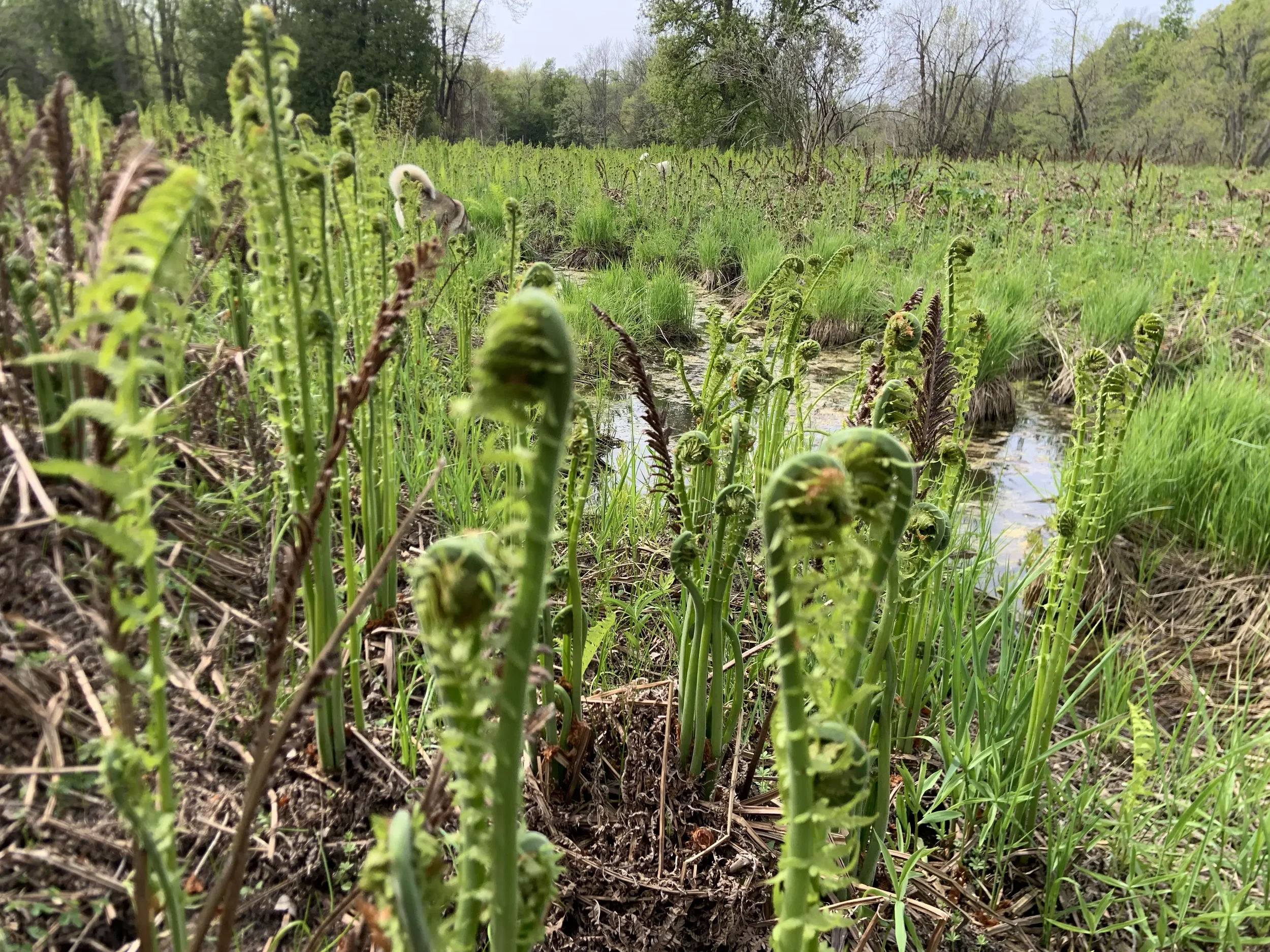
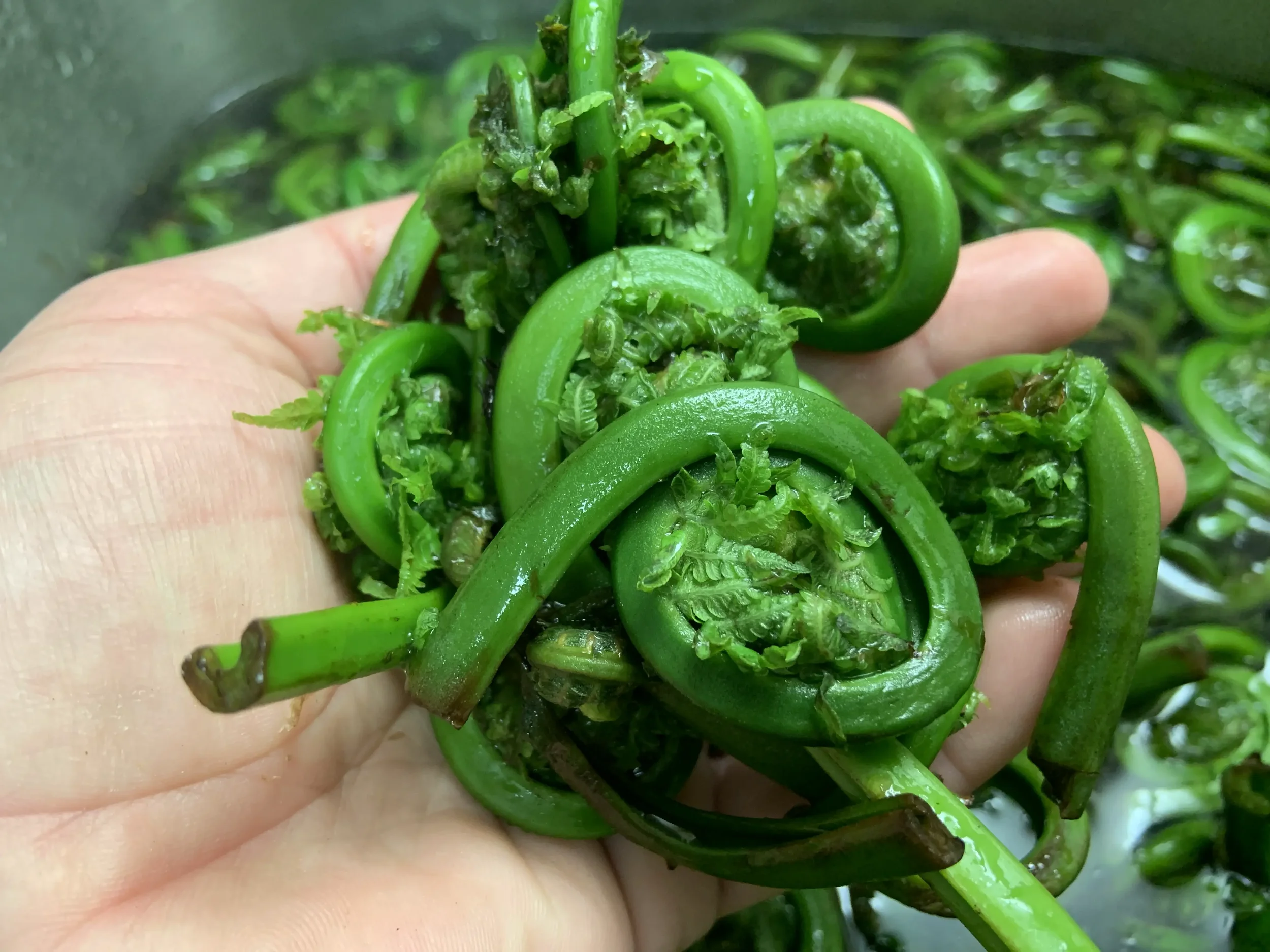
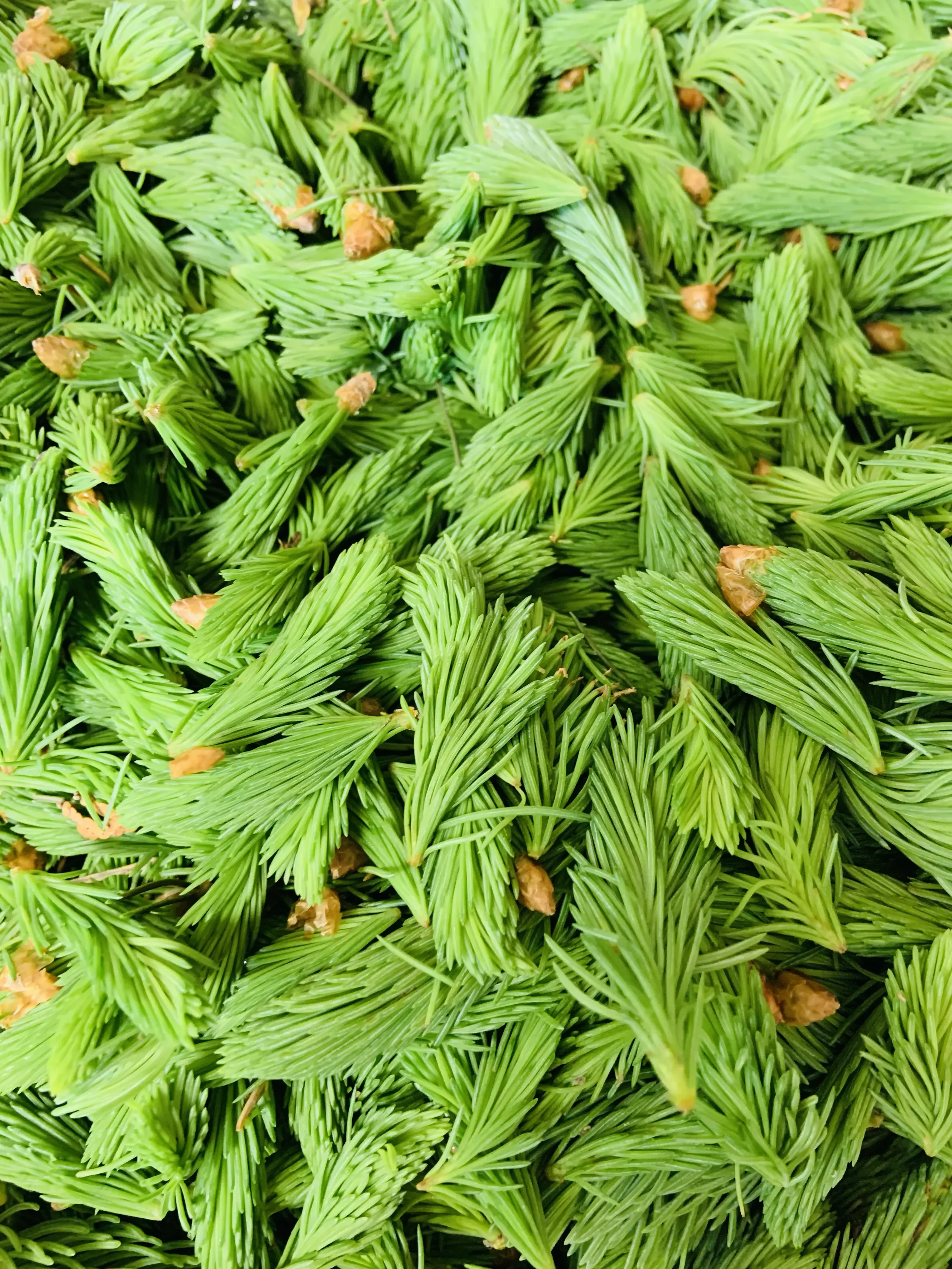
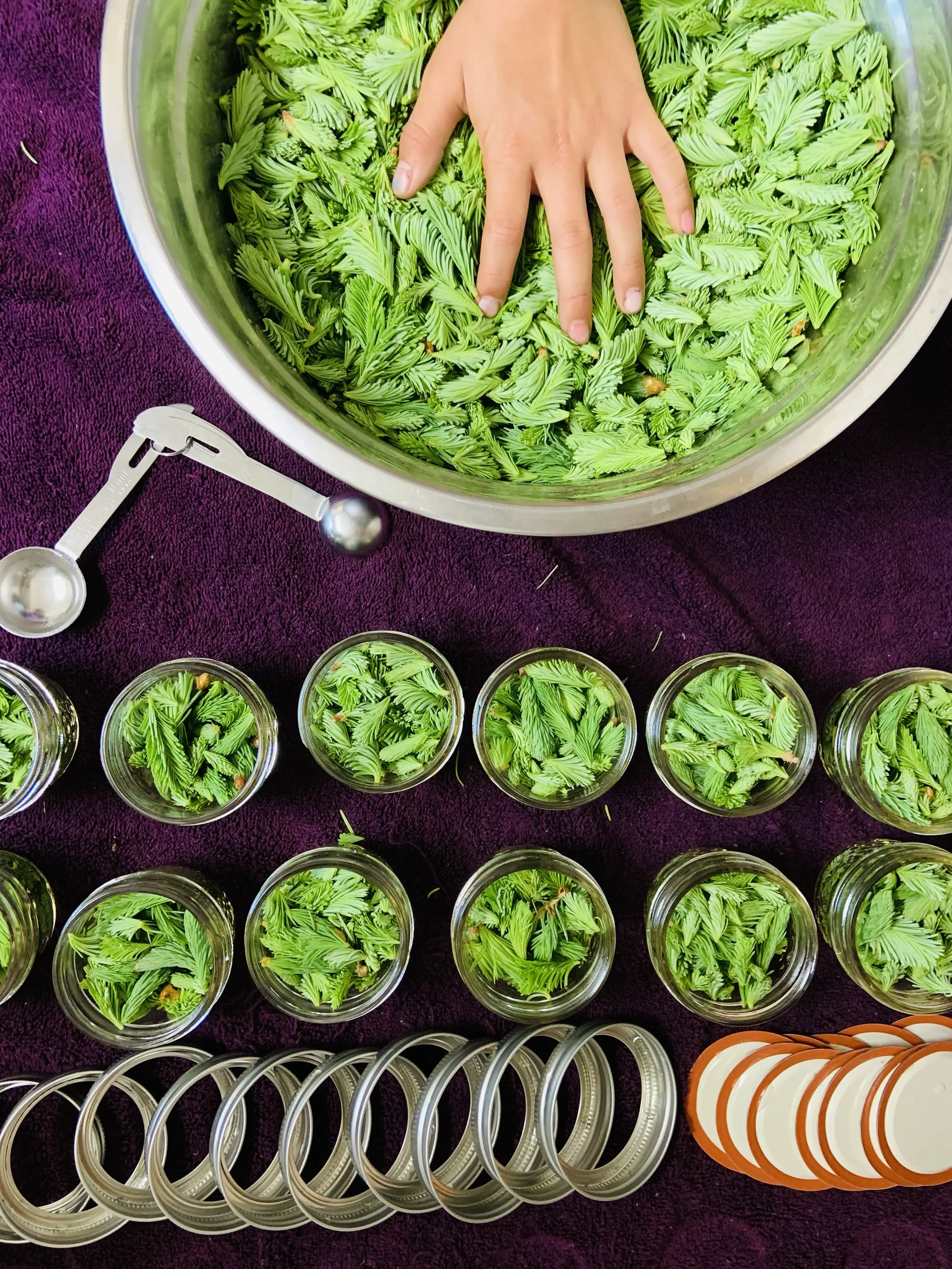
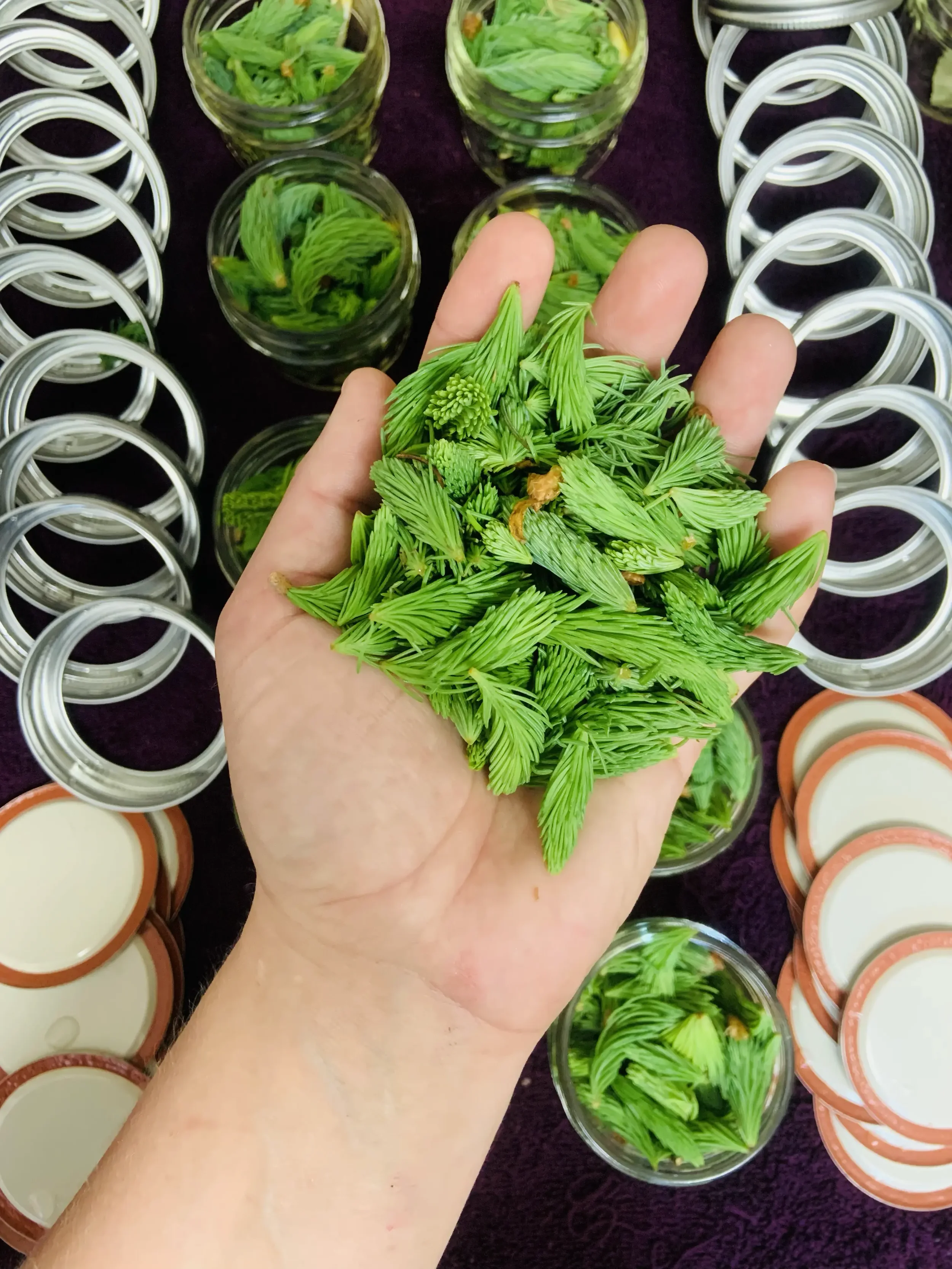
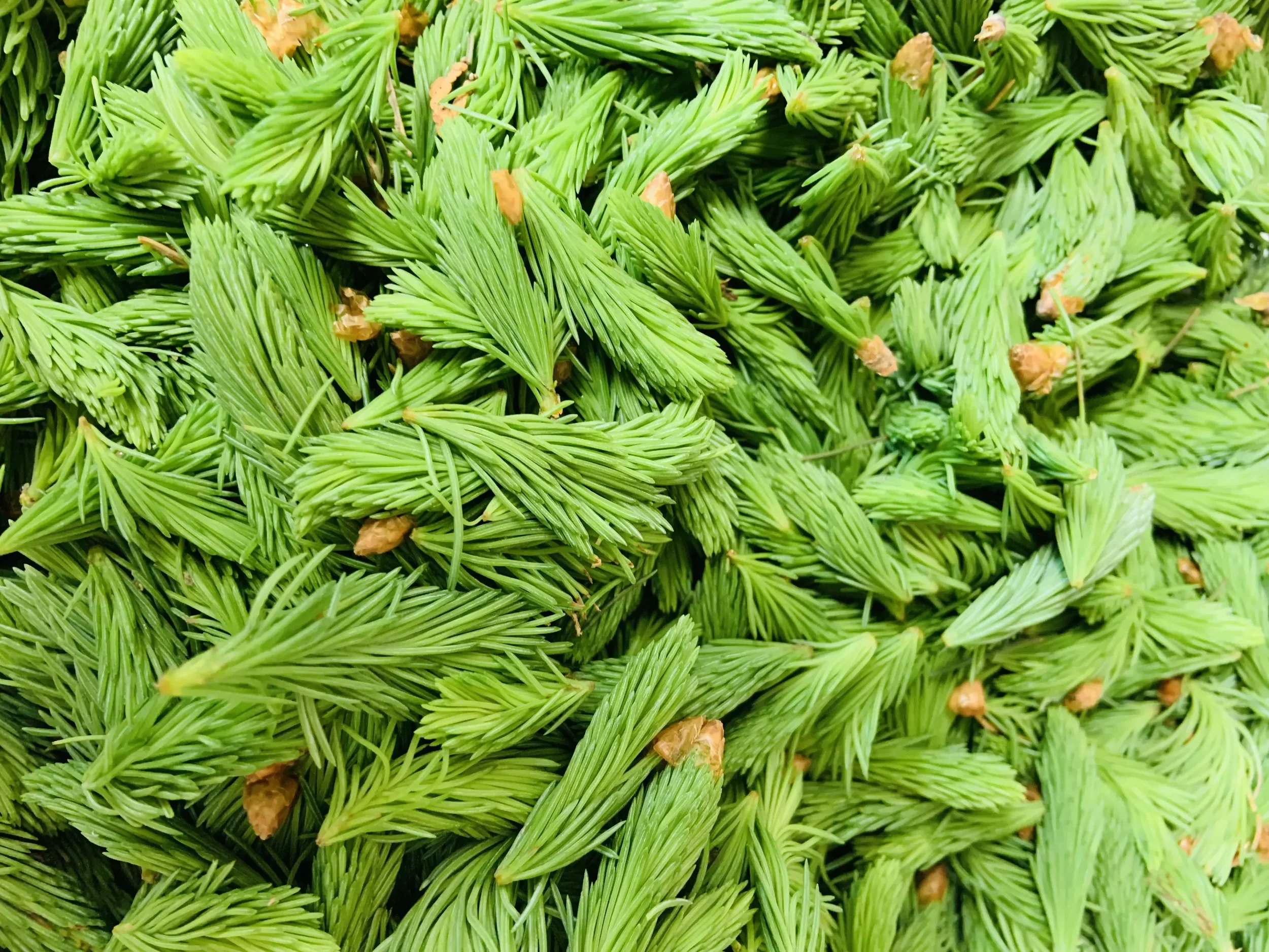
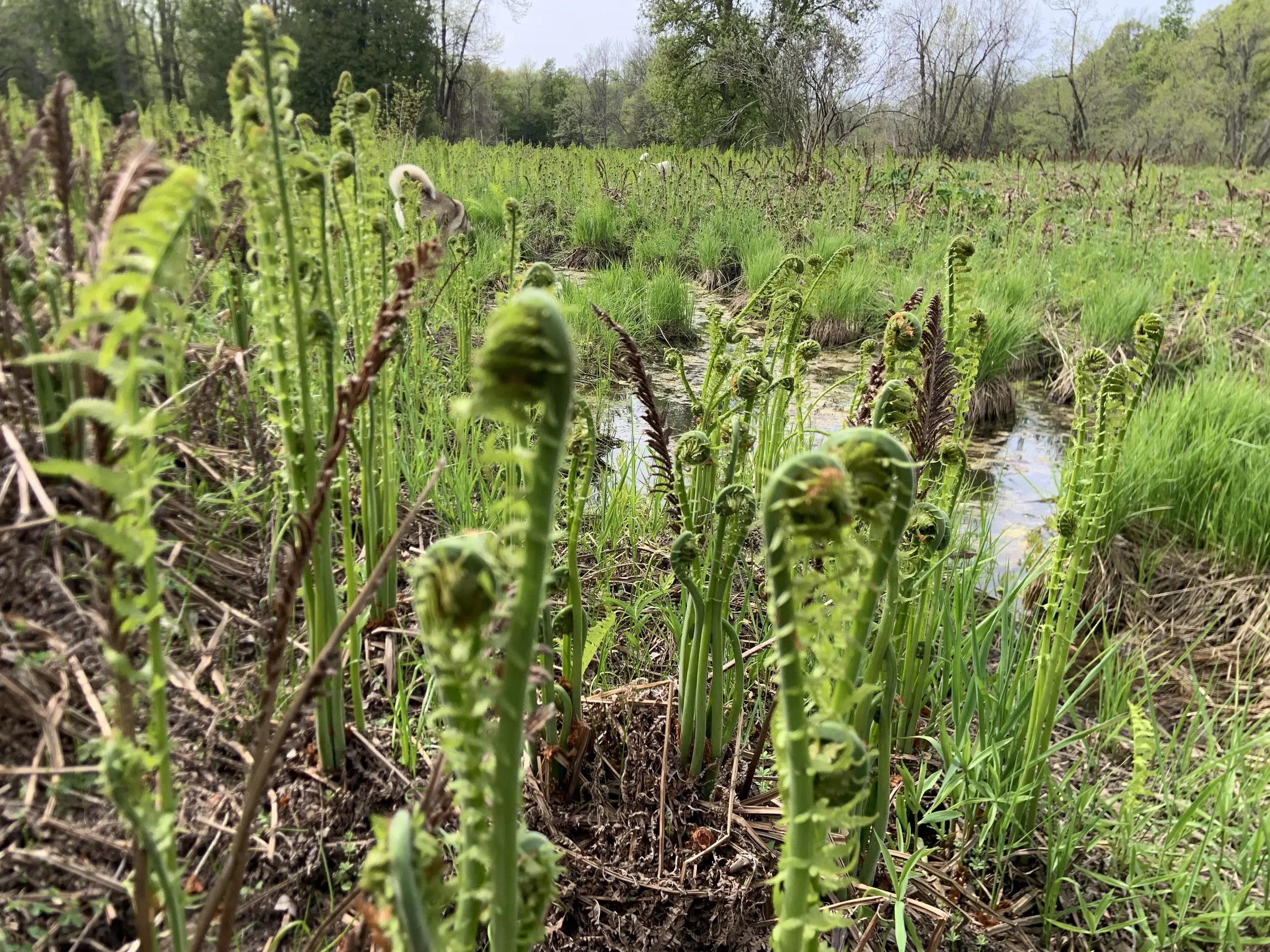
As forests and fields come back to life, spring brings opportunities to discover early edible plants and seasonal mushrooms, including the highly sought-after morel.
SUMMER — A BERRY GOOD SEASON
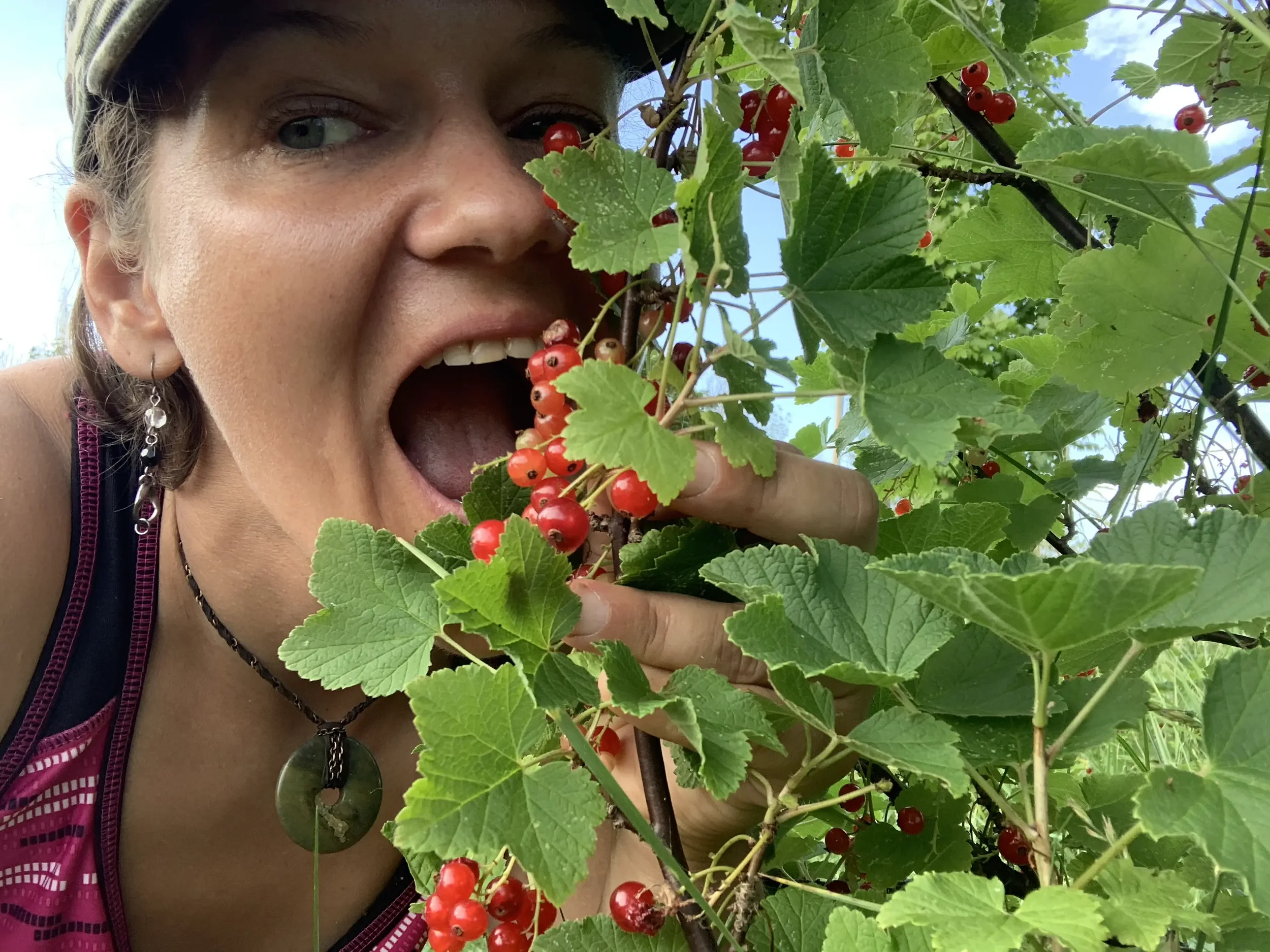
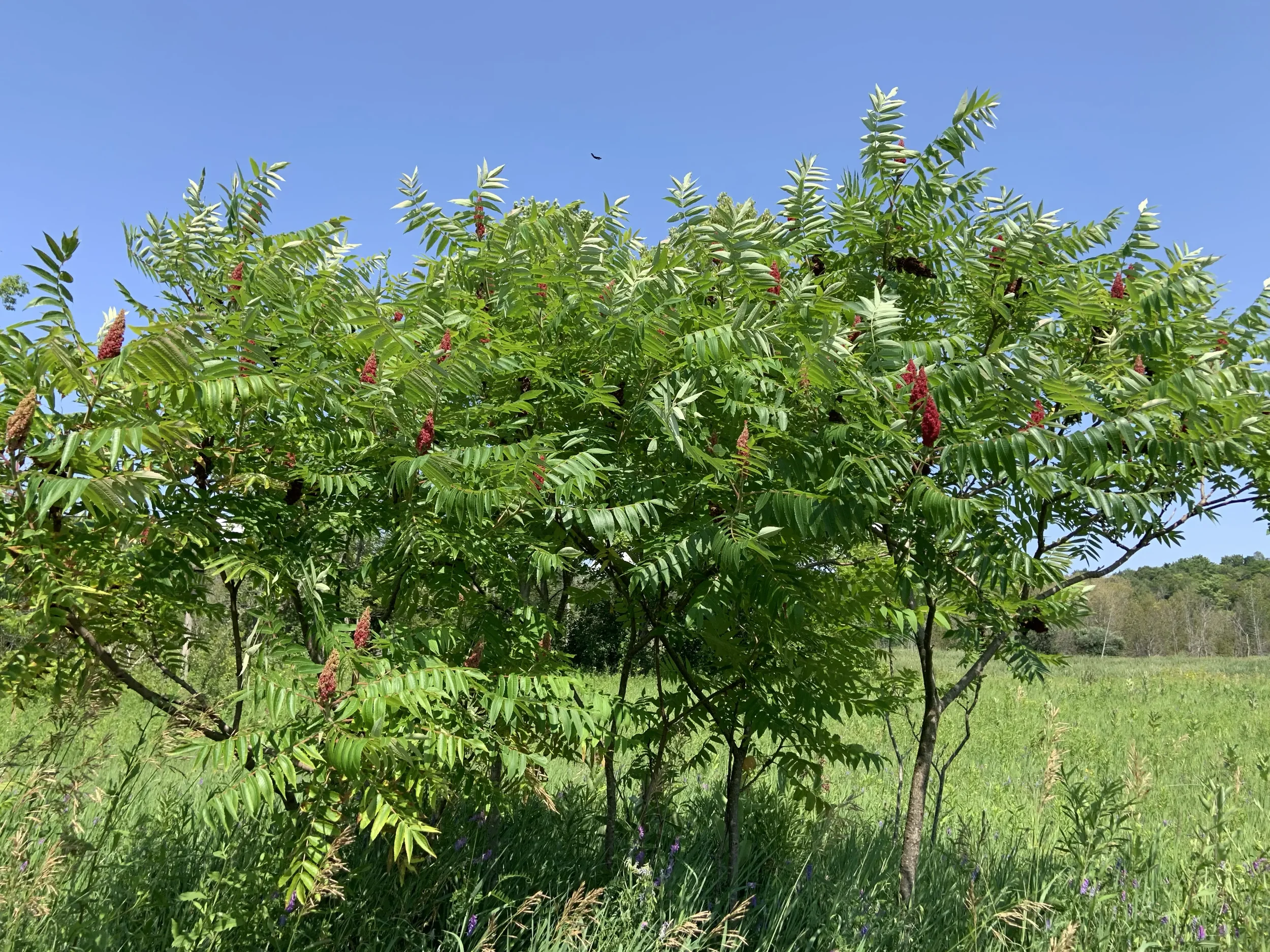
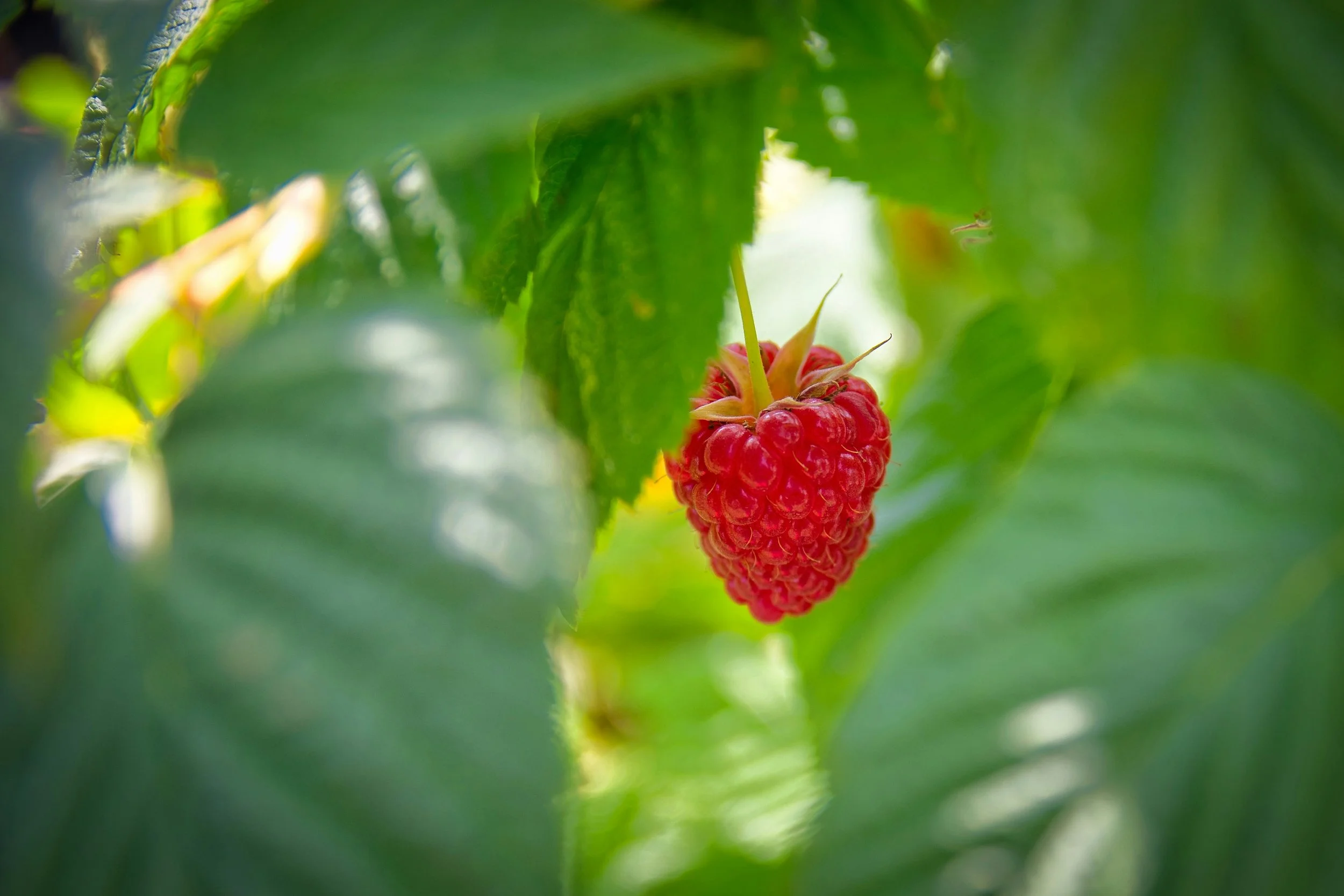
As the warmth comes and growth continues, summer offers an abundance of edible plants, fruits, and berries.
FALL — THE FINAL HARVEST
As everything begins to slow down, autumn is an important time to explore food preservation and the ways we prepare for the colder months; it brings nuts, seeds, fruits, and a variety of mushrooms.
Availability of products and services vary from year-to-year depending on weather, growing conditions, and the health of local ecosystems.
Harvesting with Care
Just as they are important to us, wild foods are a key part of the ecosystems in which they grow. They provide food and habitat for wildlife, support ecological relationships, and contribute to the biodiversity that keeps our natural environments healthy.
That's why responsible (or sustainable) foraging is about much more than knowing what's edible!
At Green Feet, we encourage harvesting practices that respect both the species we're collecting and the larger ecosystems they belong to.
sustainable harvesting principles
Know what you're harvesting
Proper species identification is essential for safe foraging. This keeps plants or species from being discarded if they are taken, then it is discovered they are not edible/aren’t the species the forager was looking for.
Each species is different and it’s important to know how to sustainably harvest what it is you are going out to look for.
Part of this is knowing how to take what you want from where it grows:
Some things you harvest only from the middle so it can grow back.
Some things you put in mesh bags so that spores can travel and grow more the next year.
Some things you only take one per plant, so that the plant lives on and is able to provide us with its bounties again in the future.
Take only what is appropriate
Leave enough for wildlife, the ecosystem, and more to grow in the future.
See above!
Protect habitats
Avoid damaging surrounding plants, soils, and sensitive ecosystems.
Don’t pull up or cut things in order to get to something else. Leave it, and find another one! Rarely is there only one of something in an area. (And if there is only one, then it is best to leave it, so it has a chance to spread and propagate further.)
Respect the land
Understand harvesting permissions, local regulations, and cultural relationships with the places you're visiting.
Appropriately request access to spaces or ask questions if you are unsure if it is an area you can forage in.
Don’t drive or trod through healthy ecosystems and plants in order to get somewhere first. Take your time and respect that land, as it will grow much more if you do.
Think about the future
Healthy ecosystems today mean more opportunities for future generations to enjoy their benefits.
Imagine how much fun it will be to teach your children, or nieces and nephews, or your friend’s kids about foraging and wild foods! I bet they will be amazed to see and learn about the beautiful nature we are surrounded by.
At Green Feet, we believe that enjoying what nature provides should go hand in hand with caring for it and ensuring it is still there for our children and their children to enjoy.

Initiate a Productive DialogueComplete the form with contextual information regarding your challenges, timelines, and desired outcomes, and our team will respond promptly with an evidence-based recommendation framework.